Aug 18, 2026Retail Stores
The Retail Scheduling Maturity Model: Five Stages From Rota to Demand
Five stages from a fixed weekly rota to demand-led labor allocation, what each stage costs, and the single next step that moves you up one level.
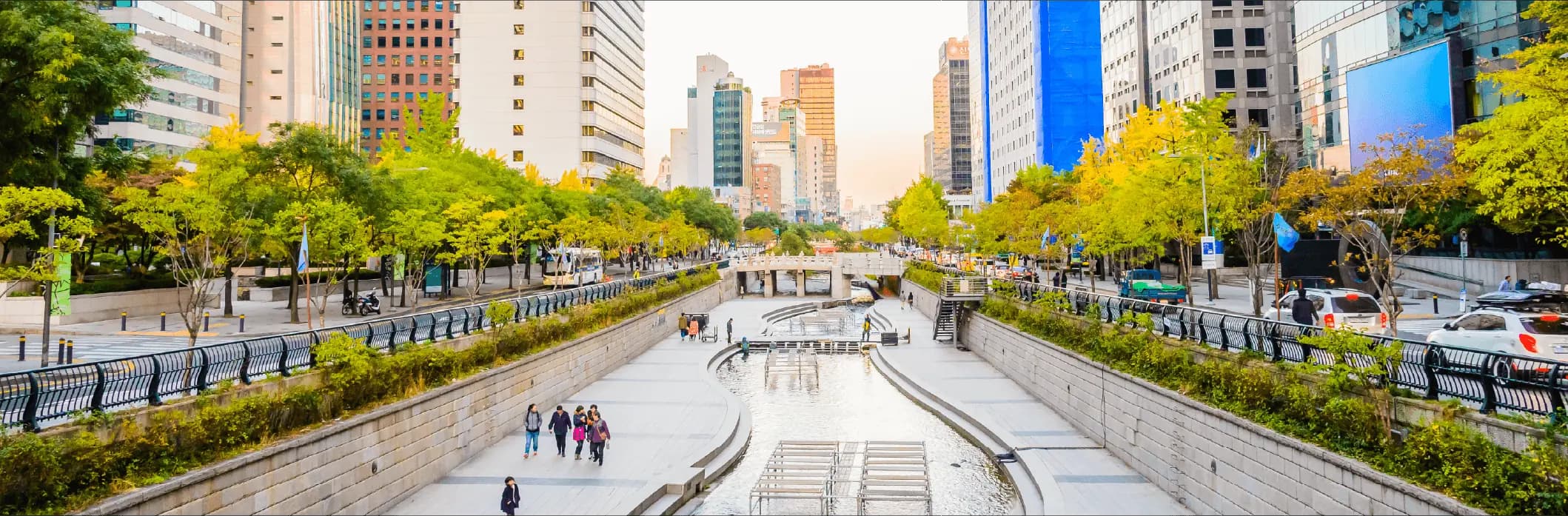
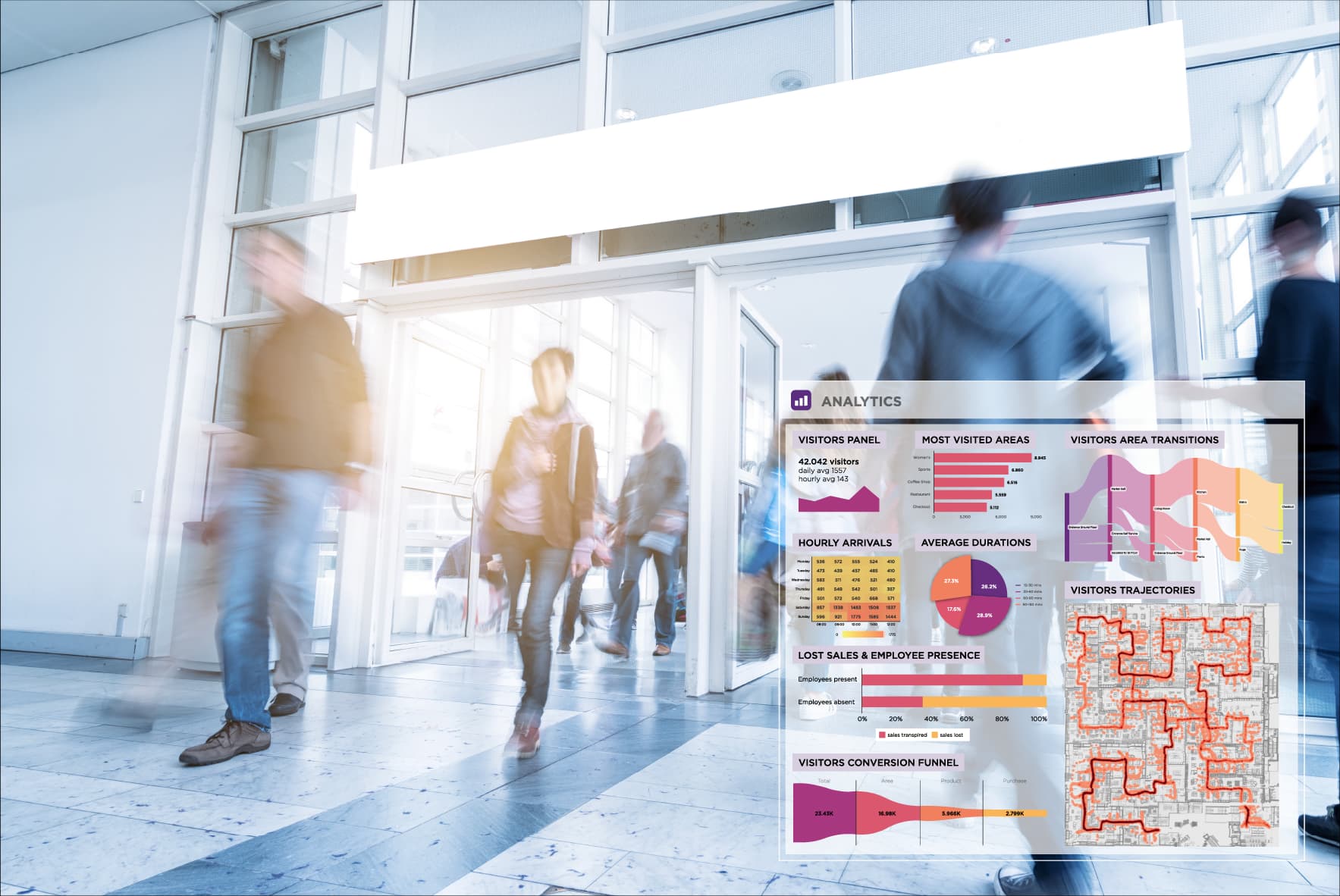
Accurately quantify the number of people in various city areas and events, helping manage crowding, and optimize public spaces.
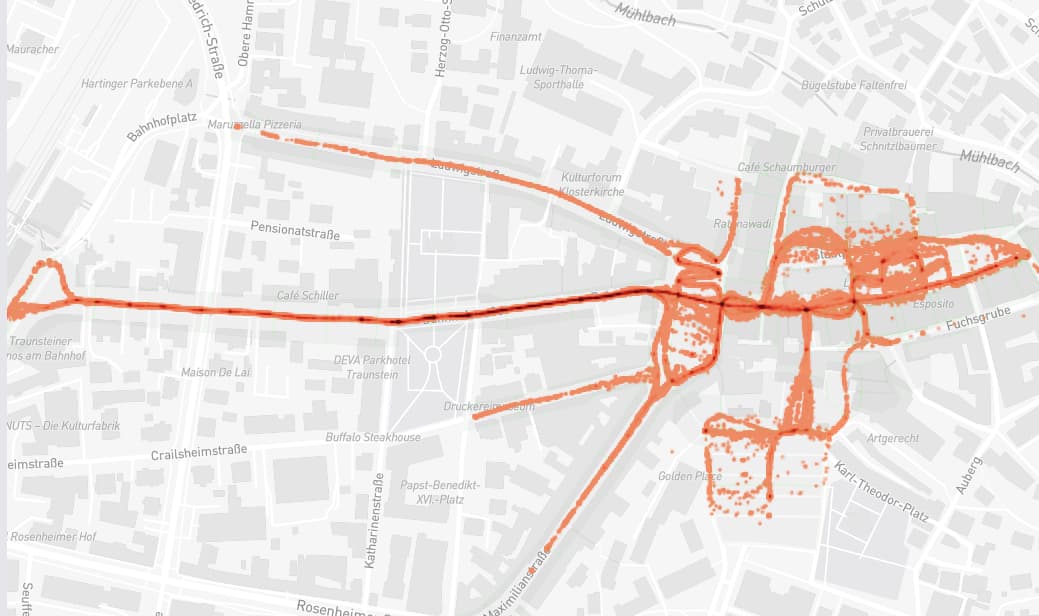
Analyze the movement patterns of residents and visitors to improve urban planning, reduce congestion, and ensure efficient use of infrastructure.

Enhance visitor experience in retail areas by sending real-time alerts about offers and promotions as they move through different zones.
Optimize the deployment of city services staff based on predicted visitor patterns, ensuring efficient use of resources and improved public service delivery.
Monitor environmental factors like temperature and rain in real-time to analyze their impact on people's movements and crowd patterns, enabling better planning and management of urban spaces.
FAQ
The system captures no personal data in the first place: no images, no biometric data, no MAC address. What a city receives is counts, flows, and dwell times, which contain no identifiers. That is a different starting point from camera analytics, where personal data is captured and must then be protected.
The Act's high-risk Annex III categories address biometric identification and categorisation. Ariadne performs neither: nothing biometric is captured at the sensor and no demographic attributes are detected. The architecture sits structurally outside those categories, which simplifies the procurement review.
Yes. Because the outputs are aggregate counts and flows with no personal data in them, they can go into open-data portals, council reports, or shared dashboards with district partners without a redaction step.
Pedestrian traffic on streets and squares, dwell in parks and plazas, event attendance, and how flows shift with weather or season. Towns like Waldkirchen and Bad Nauheim use Ariadne for exactly this kind of measurement.
CCTV analytics starts from video, so it creates personal data that then needs safeguards, retention rules, and impact assessments. Ariadne starts from depth geometry and phone signals with no identifiers attached, so the sensitive data never exists at any point in the pipeline.
Yes. Signal sensing measures movement across open spaces where a door-based counter has nothing to attach to, and Time-of-Flight depth sensing covers defined choke points such as station entrances or bridges. Deployments combine both as the space requires.
Aug 18, 2026Retail Stores
Five stages from a fixed weekly rota to demand-led labor allocation, what each stage costs, and the single next step that moves you up one level.

Aug 18, 2026Retail Stores
Most retail scheduling tools differ less in features than in what they plan against. The axis that matters, plus the six checks that survive a demo.

Aug 18, 2026Retail Stores
Sales are down and the argument starts. A decision tree that separates falling visits from falling conversion, and names the fix for each branch.
Two questions, twenty minutes, a real walkthrough of your venue's footfall.
What to expect
Got a different question?
Anything that isn't a sales conversation. We'll route it to the right person and get back within one business day.