
Non-aeronautical revenue is the airport income earned away from the runway: parking, car rentals, retail, food and beverage, advertising. It is also the side of the business that decides whether an airport's finances hold when traffic wobbles. The pandemic made that dependency visible, and the structural shifts it accelerated have not reversed: Bain & Co projected a lasting decline in the share of business travel, long-haul groups, and the passenger segments that carried luxury retail. This article covers five strategies leading airports use to grow non-aeronautical revenue per passenger, whatever the traffic curve does.
Where to focus: aeronautical or non-aeronautical revenues?
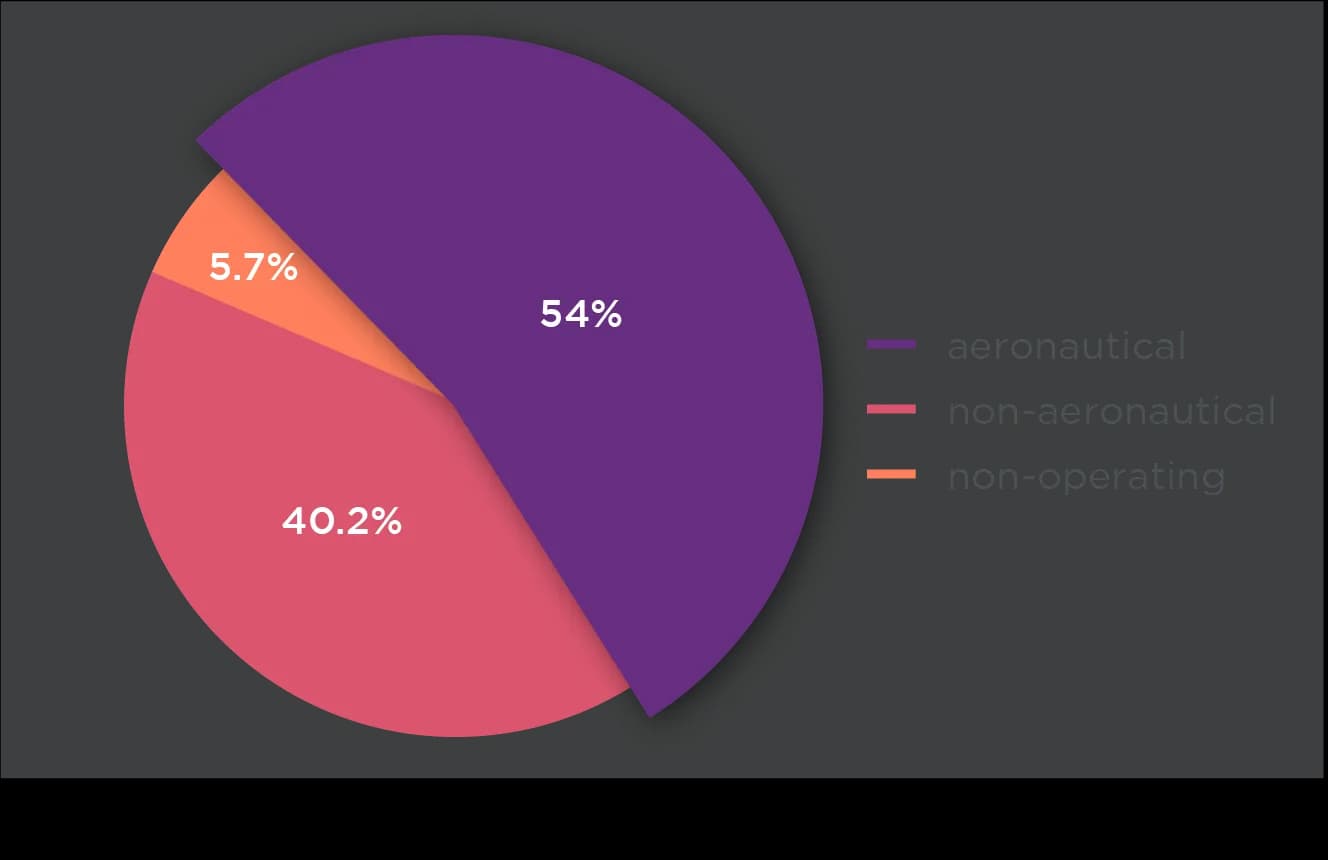
Airport revenue divides into two main streams: aeronautical (landing fees, passenger charges) and non-aeronautical. Aeronautical revenue makes up the majority of airport income at 54% of the total (ACI), but the mix is shifting; the same Bain & Co analysis projected the aeronautical share falling toward 45% by the mid-2020s.
The per-passenger economics are more telling. Aeronautical revenue per passenger ($9.99) sits below cost per passenger ($14.11). The runway side of the business, on its own, loses money per passenger. Non-aeronautical revenue is where the margin lives, which makes sense from an investment perspective too: it diversifies the revenue portfolio.
Non-aeronautical revenue to the rescue
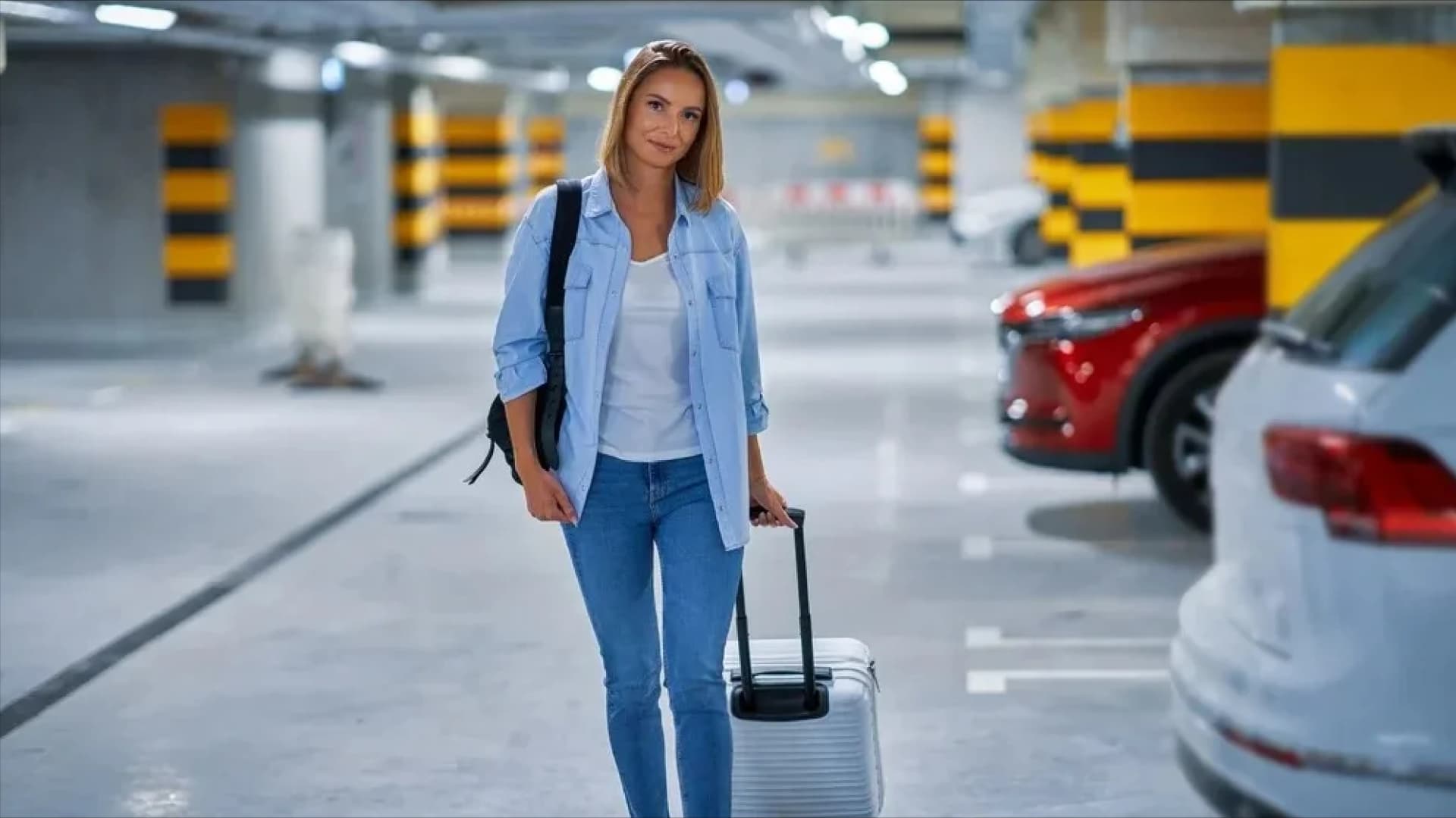
Non-aeronautical revenues are airport income gained from non-flight facilities such as parking garages, car rentals, restaurants, and shops. The pressures above are pushing airports to operate as commercial business centers. Here is how leading airports grow that side of the ledger.
Store-mix and product-mix based on personas
Airport retailers need to understand their customers well enough to re-define offerings, increase passenger penetration in shops, and keep the commercial program financially sustainable. The conventional way is to divide target customers into personas based on age or gender. There is a more targeted way that needs none of that.
Ariadne builds personas from visit sequences alone, with no identifiers involved: which stores and restaurants a journey touched. One persona, for example, is "visited a clothing store, shoe store, nutrition shop, and sports-clothing shop". Ariadne has found that this persona's next stop is 67% a restaurant, 30% another clothing store, and 3% the end of the journey. Based on these personas, Ariadne's airport clients run A/B tests to find what works best for their retail concessions, the same practice retail chains use.
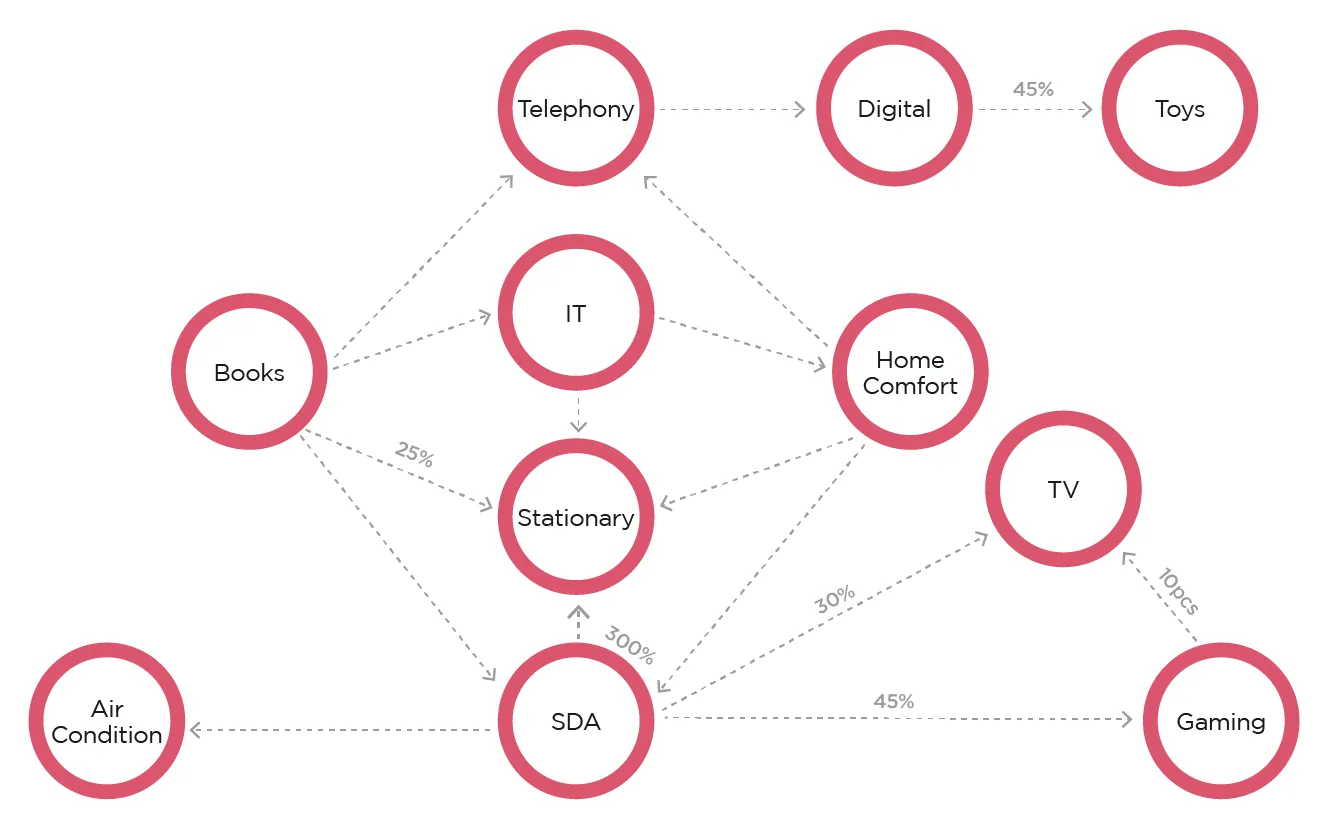
The result is a better store-mix: the airport can decide which area to lease to which kind of shop and make sure concessionaires get the footfall they are paying for. The same persona trajectories improve the in-store side, from customer journey to product-mix.
Dynamic lease pricing
Airports and retailers usually sign fixed, long-term lease contracts, often with a minimum commission on retailer sales on top of the rental fee (for example, 10% of a clothing store's revenue going to the airport).
Ariadne suggests a different basis for lease pricing. With people counting and journey analytics that carry no identifiers and involve no cameras, Ariadne measures how many people spend how much time at which location and how they move through the terminal, which yields the footfall each shop actually receives.
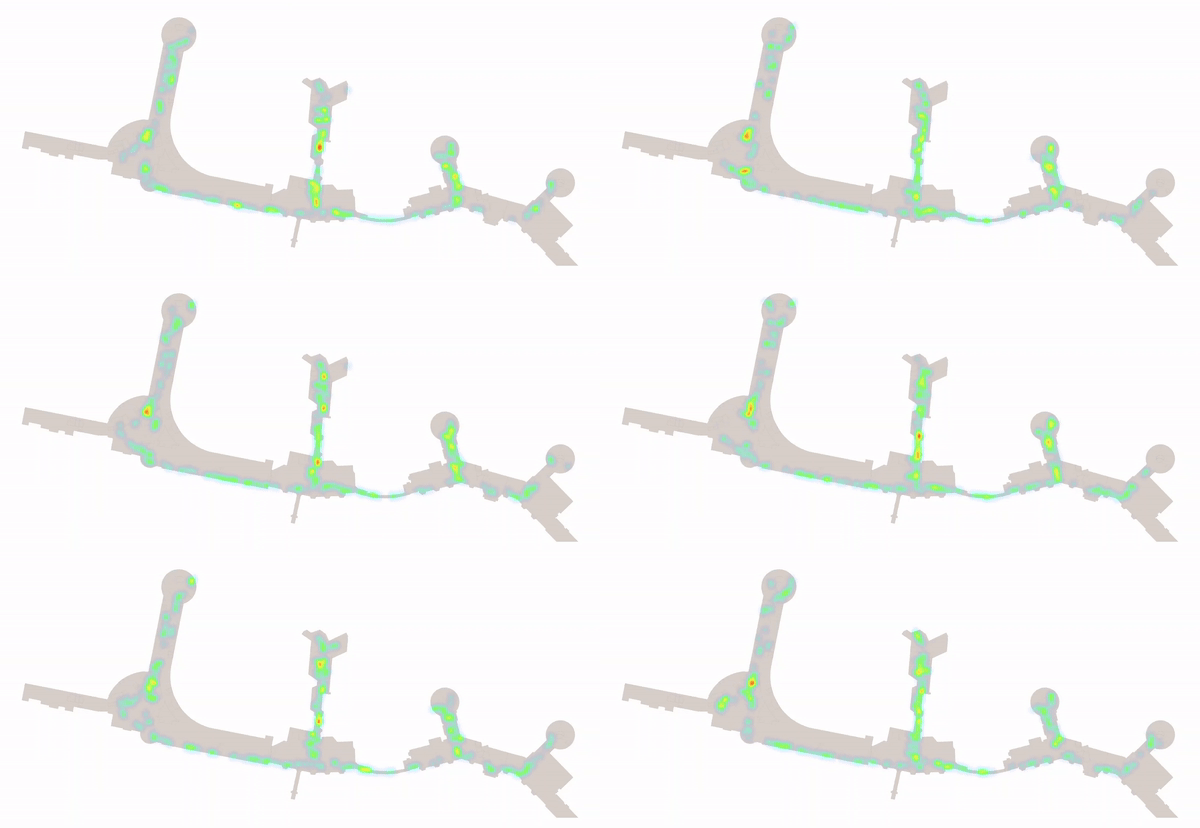
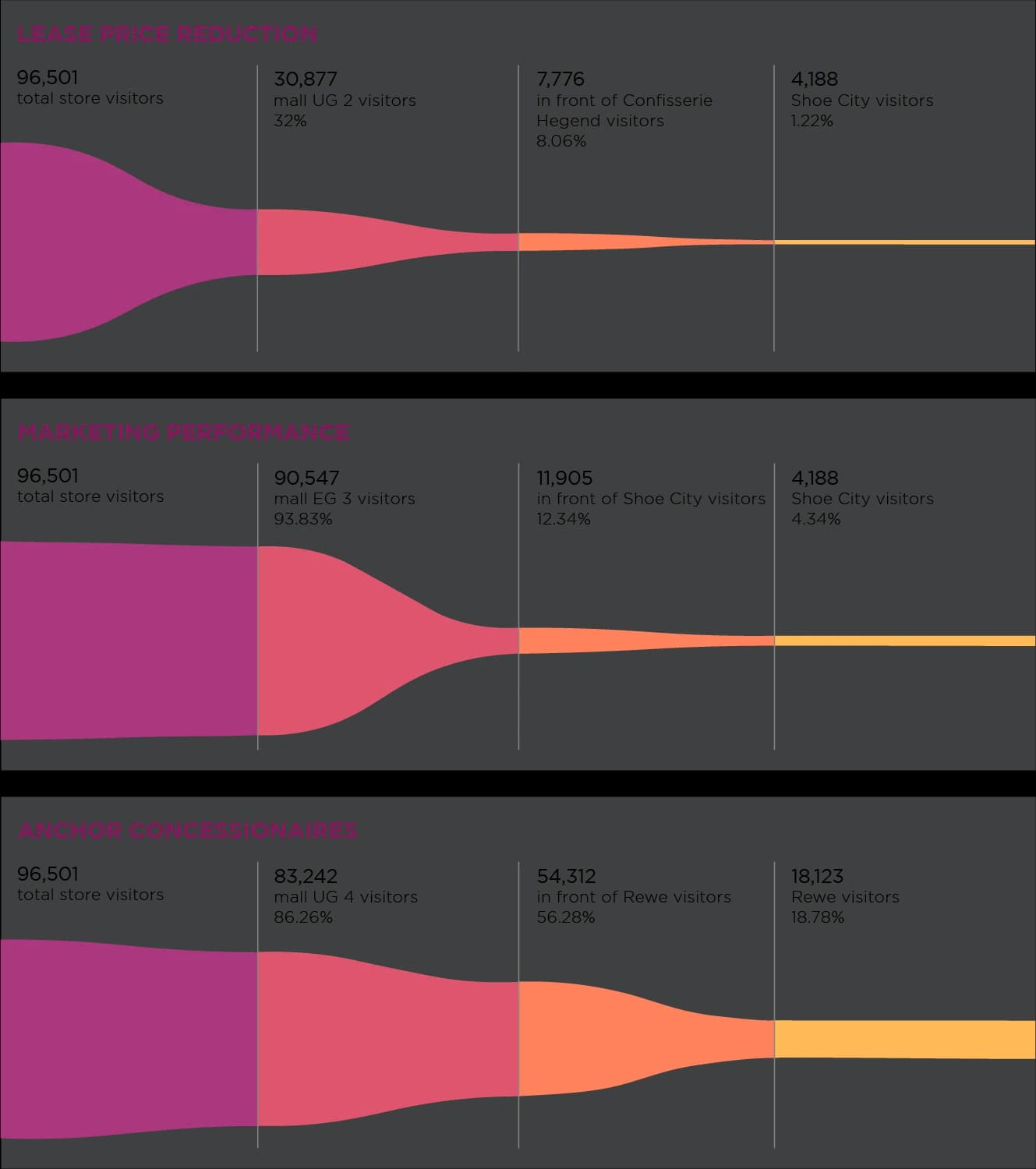
Instead of pricing by unit size or nominal location, the airport can lease by relative footfall: shops receiving the most traffic pay more, and the airport can prove the delivery to the tenant with the count data, queue times, dwell times, and heatmaps behind it. Conversion from that footfall into sales stays where it belongs, with the tenant's in-store execution.
The best model of anchor tenant
Ariadne's anchor tenant article defines anchor tenants as a leading, large retailer that has signed an agreement to lease a significant space, mostly in a shopping mall, but also in any given airport, complex, or neighborhood.
An anchor can also be the smallest unit in the building. Ariadne has found that a tiny post office inside a mall gets the most traffic, then converts its visitors onward to other shops. The same article puts that conversion at more than 25% of visitors.
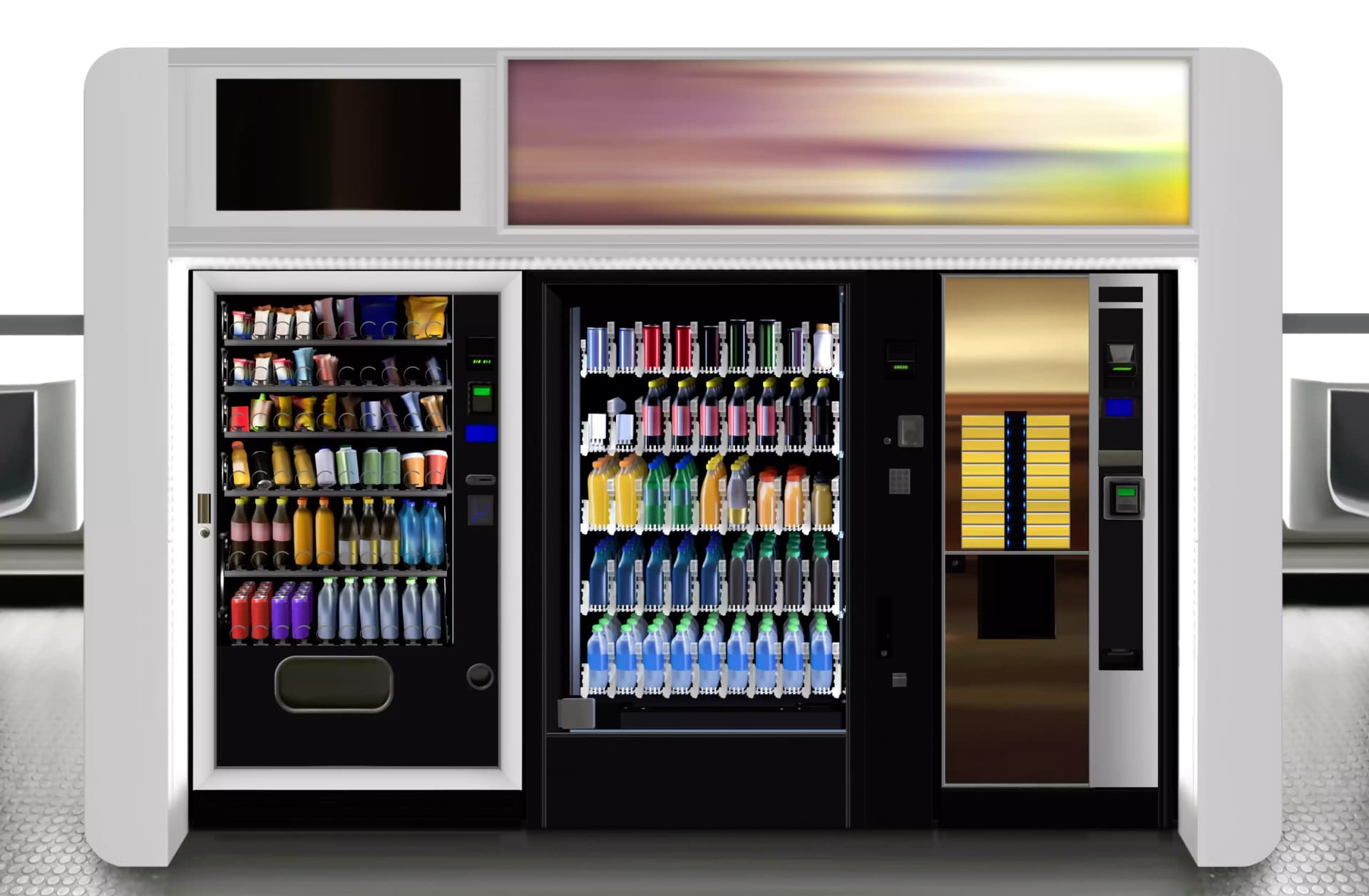
Airports have an even bigger opportunity: automated retail units. Vending is present in 53% of North American airports according to ACI's Concessions Benchmarking Survey, at almost no labor cost and minimal floor space. Managed smart (the most-demanded products priced below the airport average), a well-placed bank of machines pulls traffic the way an anchor does, and feeds the stores around it.
Queue management and virtual queuing
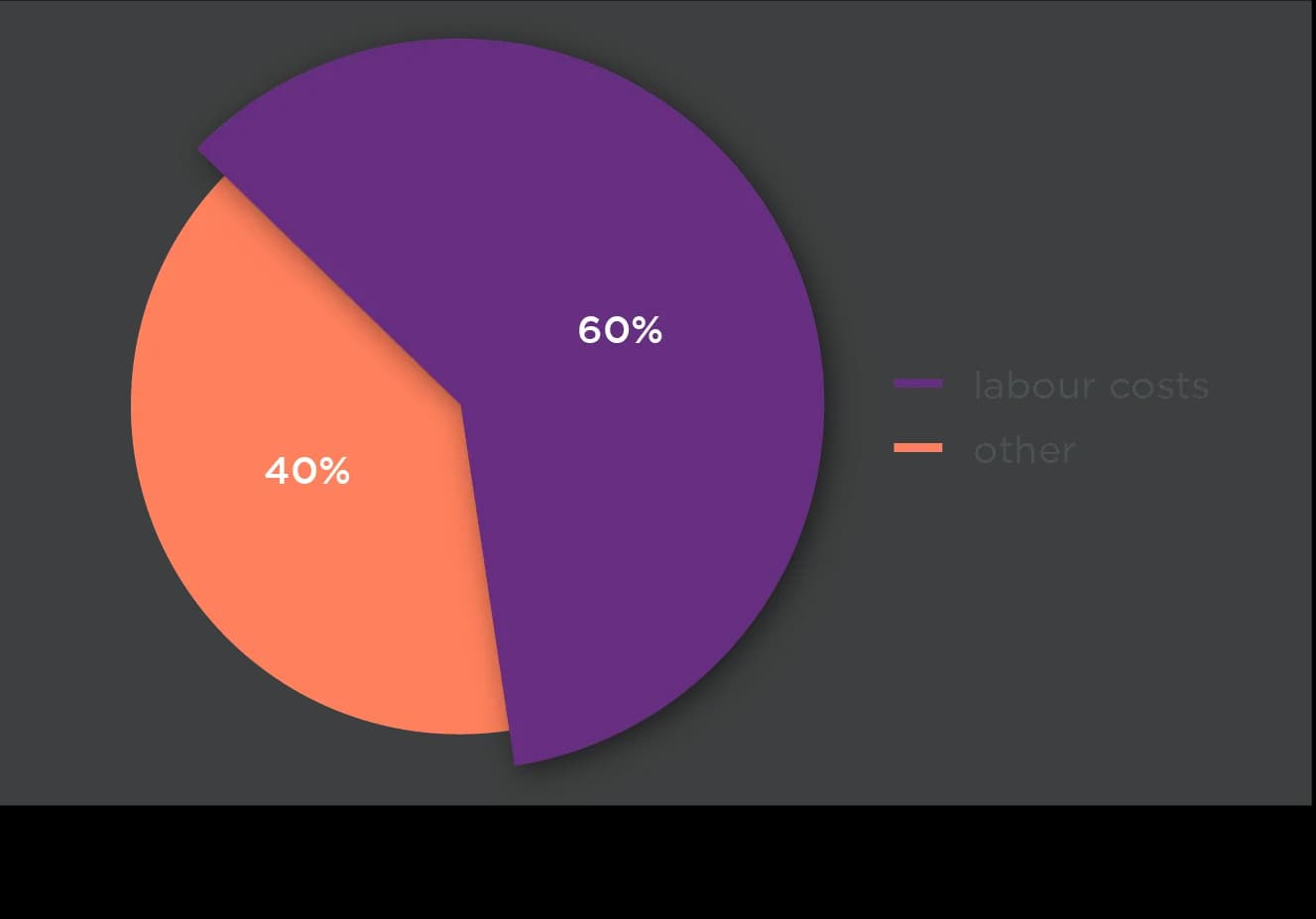
According to ACI, 60% of all airport operating costs are labor related. It is not only headcount: airports sit far from city centers, compete for talent with better-located employers, and carry government-mandated background checks in the hiring process. All of it adds cost per hire.
That investment has to earn its return in passenger experience. A study titled 'The Impact of Airport Servicescape on Passengers' Satisfaction' found that passengers with a positive airport experience spend 45% more while in the airport than disappointed passengers.
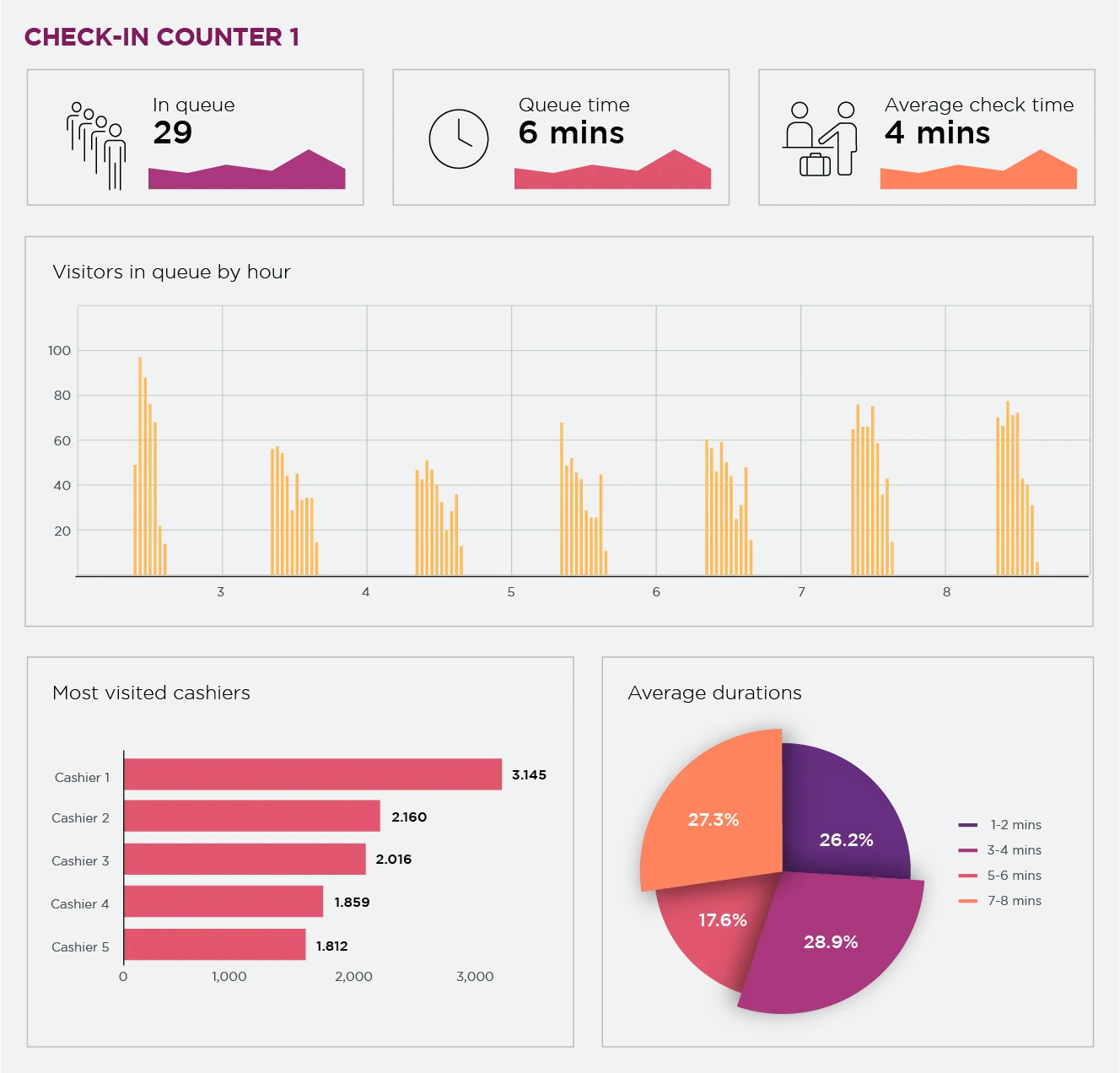
Queues are the biggest single tax on that experience, and they conceal the potential of the retail concessions. We spend an average of $7 for every hour in a terminal; conversely, spending decreases 30% for every 10 minutes standing in a screening line. Virtual queuing removes the physical line: the queue becomes a notification, and the passenger spends the waiting time in the commercial area instead of a corridor.
Track the right number: concession revenue per passenger
None of these strategies can be steered on annual totals. The working metric is concession revenue per passenger, and the decomposition underneath it: concourse capture rate (the share of passengers who actually pass the retail concourse) and dwell-weighted reach. Ariadne's concession revenue per passenger guide breaks down how to instrument both, independently of airline check-in data.
To see how your terminal's flow data translates into non-aeronautical revenue opportunities, schedule a demo.


