
The moment you step into a fashion store, everything is designed to speak - the lighting, the color palette, the rhythm of the music, the scent that lingers in the air.
Every detail is intentional, yet one vital voice often goes unheard: the movement of people themselves.
Behind every glance at a mannequin or pause at a fitting-room mirror, there’s data whispering patterns and people counting is how fashion retailers learn to listen.
Fashion Retail Is About Feel and Flow
Unlike supermarkets or tech stores, fashion retail lives on emotion. Shoppers don’t just buy clothes; they experience them.
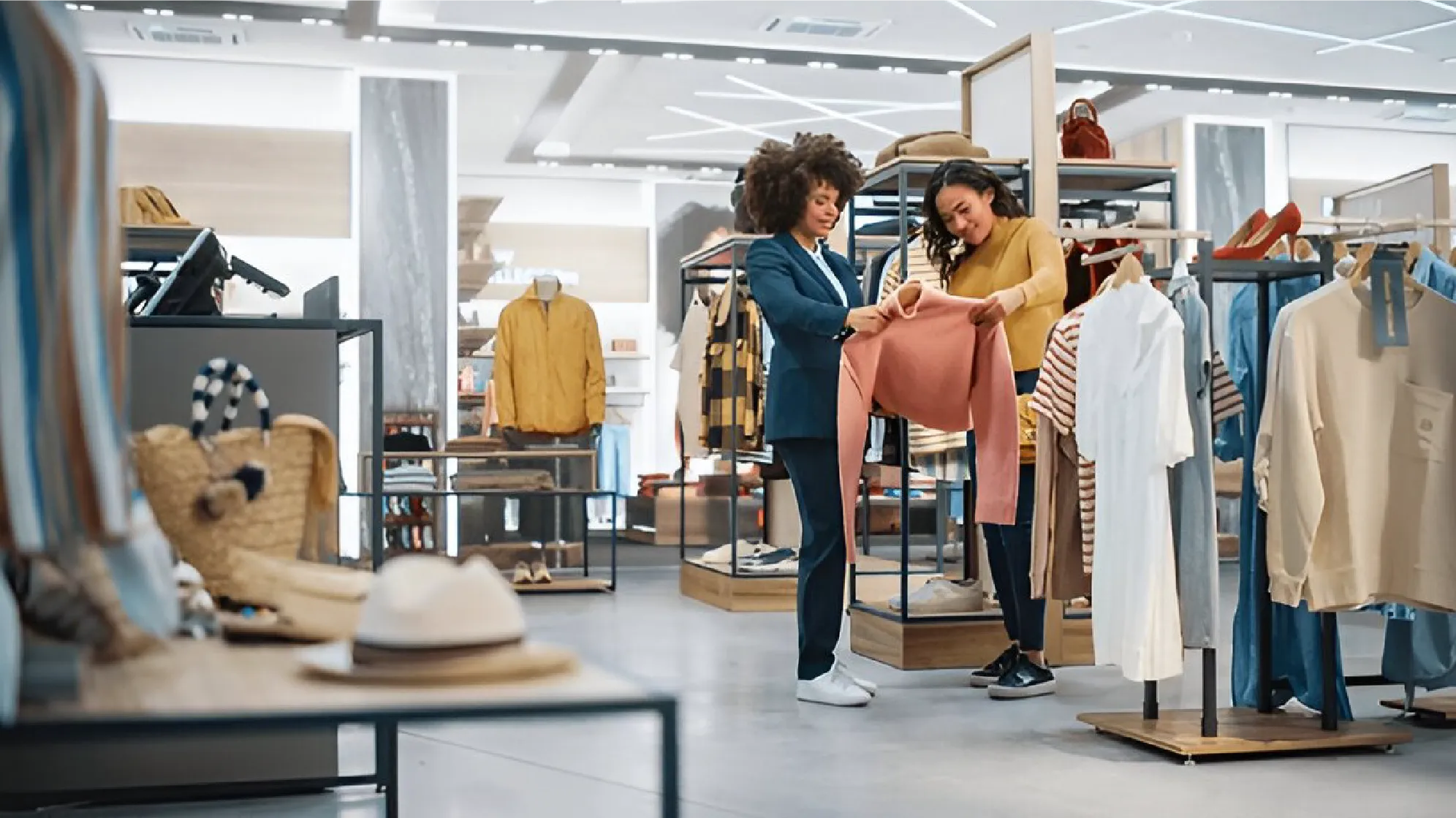
That experience happens in a fluid dance - customers weaving between racks, pausing to touch fabrics, entering fitting rooms, returning with friends for opinions, and then looping back to compare colors.
Understanding that choreography is what separates a good store from a profitable one.
That’s where people counting for fashion retail stores steps in not as surveillance, but as a silent observer that decodes behavior like who enters, where they wander, how long they linger, and what ultimately captures their attention.
From Gut Feelings to Data-Driven Decisions
For decades, visual merchandisers and store managers relied on instinct. They could sense when a window display worked or when a layout felt “off.”
But instincts can’t scale, and they certainly can’t compare last Saturday’s flow to this Saturday’s.
Modern people counting turns that intuition into measurable insight.
Using anonymous data captured from sensors or signals, stores can track how visitors move through space without ever collecting personal information.
The result? A detailed behavioral map that shows the journey of discovery inside a store.
Unique Dynamics of Fashion Retail
Fashion stores pose a special challenge: they’re emotional, fast-moving, and visually dense.
Unlike other retail spaces, where purchases follow logic, fashion shopping follows mood. That makes it unpredictable and therefore ideal for people-flow analytics.
Here’s what makes fashion retail distinct:
- High variability in shopper intent: Some visitors are browsing trends, others are hunting for deals, and many are simply exploring. Counting them helps separate browsers from buyers.
- Fitting rooms as decision zones: Most buying decisions are made here. Dwell-time analytics can reveal where assistance or upselling can make a difference.
- Seasonal layouts and product churn: New collections mean frequent floor resets. People counting shows how those changes affect traffic patterns.
- Impulse-driven entrances: Window displays act as magnets. Counting passerby-to-entry ratios reveals how effective that visual story really is.
- Multiple micro-departments: Footwear, accessories, menswear, and kidswear often compete for attention. Understanding movement between them helps balance merchandising focus.
Every zone tells a different story and with people-flow data, retailers can finally read it in real time.
How the Technology Works
Behind the soft spotlights and curated playlists lies a discreet layer of technology:
- Infrared and thermal sensors silently count entries and exits without recording images.
- AI vision systems detect human shapes and trajectories while preserving anonymity.
- Wi-Fi or Bluetooth signal analytics measure dwell times and cross-department movement.
- Hybrid systems combine these inputs to distinguish staff from shoppers and correct for overlaps.
Together, these systems transform foot traffic into structured, privacy-safe data as the foundation for smarter retail decisions.
Fashion-Specific Metrics That Matter
When visual merchandisers, store planners, and marketers share these insights, creativity becomes measurable and measurable creativity sells.
Real-World Scenarios: What People Counting Reveals
Testing new collections: Launch a spring capsule on one side of the store and measure whether shoppers naturally gravitate toward it or need directional cues.
Evaluating fitting-room design: Compare dwell time and conversion before and after redesigning mirrors or lighting subtle changes can shift purchase rates dramatically.
Weekend vs. weekday dynamics: Footfall heatmaps show when younger demographics shop (often evenings) versus family segments (weekends), helping tune playlists, staff levels, and promotions.
Influence of visual campaigns: Track how many pedestrians stop at the window, enter, and move directly to the featured product section. That’s the truest measure of campaign success.
Privacy and Trust Come First
Today’s shoppers expect transparency and respect. Effective people counting doesn’t rely on cameras that recognize faces or track identities.
Instead, it aggregates anonymous signals to reveal patterns, not people.
This approach keeps the focus where it belongs: improving customer experience, not compromising privacy.
When done ethically, people counting enhances trust showing customers that technology can make their visits smoother and more enjoyable without intruding on them.
Fashion Meets Predictive Intelligence
The next frontier is predictive analytics systems that don’t just describe what happened, but forecast what’s about to.
Imagine knowing that rainy weather will increase foot traffic in outerwear zones by 20%, or that moving the denim wall three meters left will raise conversions by 12%.
AI models trained on people-counting data are making those predictions possible.
In the near future, stores will use real-time insights to adjust lighting, display order, or even digital signage dynamically turning every visit into a personalized journey.
Conclusion: Style Meets Science
People counting for fashion retail stores transforms beautiful spaces into intelligent ones. It gives merchandisers the feedback loop they never had the ability to measure emotion through movement.
Fashion will always be about creativity, color, and expression. But when data joins the design process, intuition becomes evidence, and artistry becomes impact. That’s the elegance of modern retail: where style meets smart insight, and every shopper’s path tells the next great trend story.


