
The visit after the sale
Journey thinking usually stops at the transaction, which discards the retail moments with the highest strategic value per square meter: the collection visit, the return visit, and the service visit. Each one is a customer, already won, walking back into the building at their own initiative. Whether that visit deepens the relationship or just processes a parcel is a layout and measurement decision.
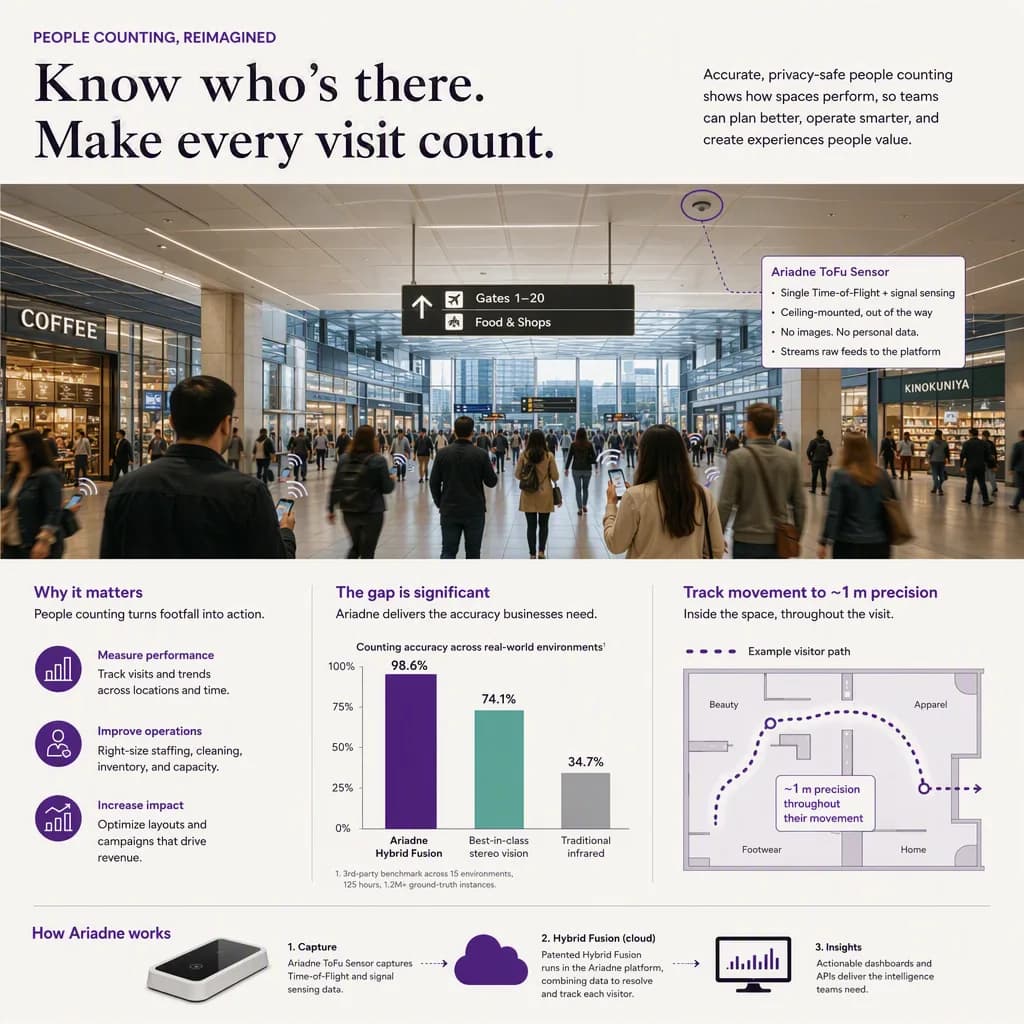
What is the post-purchase in-store journey?
Every store visit whose trigger is a completed purchase: collecting an online order, returning or exchanging an item, seeking service, warranty, or fitting. These journeys differ structurally from shopping visits: they are destination-directed (straight to a counter), time-boxed, and emotionally loaded in both directions (anticipation for collections, friction risk for returns). Measured, they show up as short, deep, purposeful trajectories, and the commercial question is what the store puts on their path.
Collections: the visit retailers paid to create
Click-and-collect converts an online sale into physical presence, and its journey is measurable end to end: entry, path to the collection point, wait, and, decisively, what happens after handover. A collection point buried at the back walks the customer past merchandise twice; one at the door optimizes for speed and forfeits the second sale. Neither is universally right, but the trade-off should be measured (attach behavior of collection journeys) rather than inherited from the fit-out plan. This is the physical half of the omnichannel seam described in the omnichannel customer journey.
Returns: friction with an audience
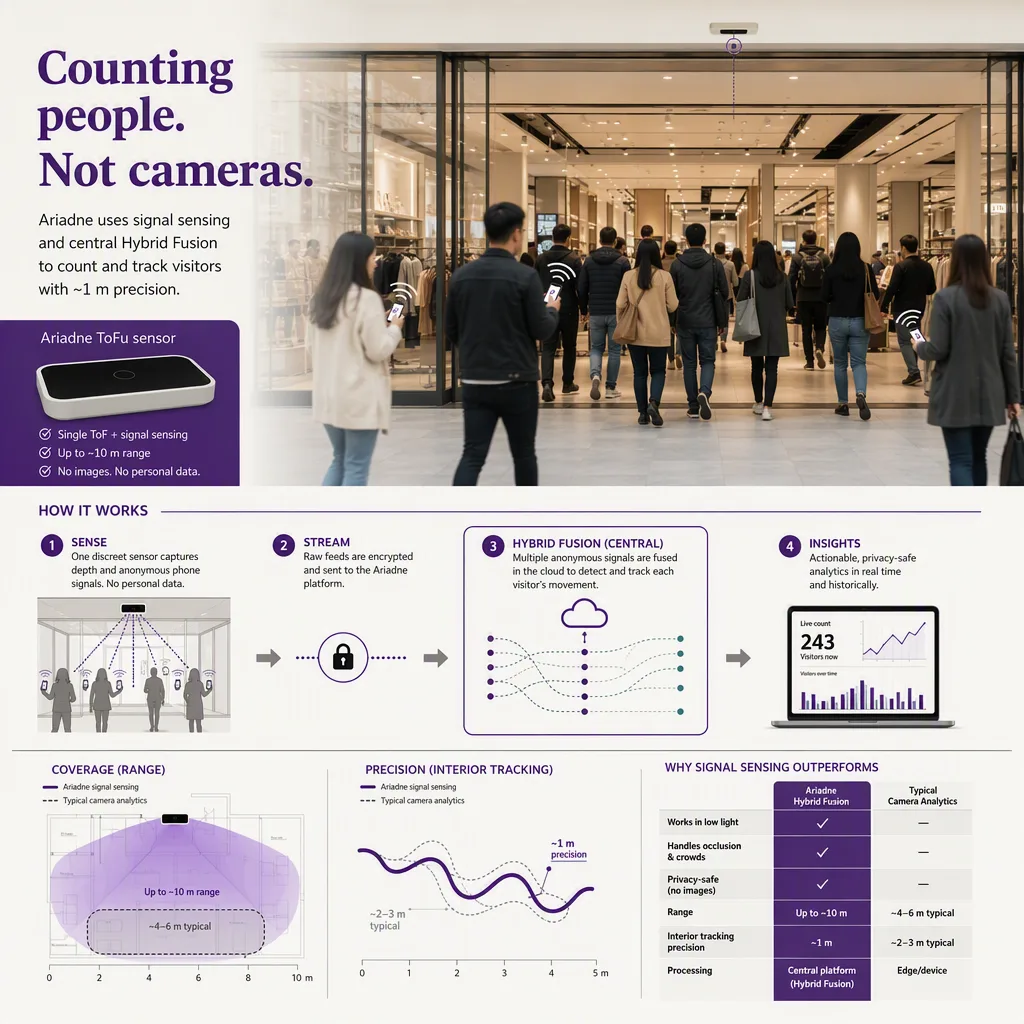
Return journeys carry the highest experience stakes: the customer is already mildly dissatisfied, and the queue at the returns desk is where the brand either recovers or compounds it. Measurables: returns-desk queue dwell against staffing curves (the same demand-matching machinery as demand-based scheduling), and the post-desk path, whether return journeys continue into the store or exit directly. An exchange that becomes a browse is a recovered sale; the layout around the desk decides how often that happens.
Service and fitting visits: dwell with intent
Service points (alterations, repairs, consultations) create the longest post-purchase dwell and the strongest loyalty signal a floor can measure without identity: journeys that seek out a service zone are self-selecting as high-attachment customers. Their measured paths justify where service sits, which in most stores is wherever space was left over, exactly backwards for the visit type most likely to anchor repeat visits.
Measuring the after-sale honestly
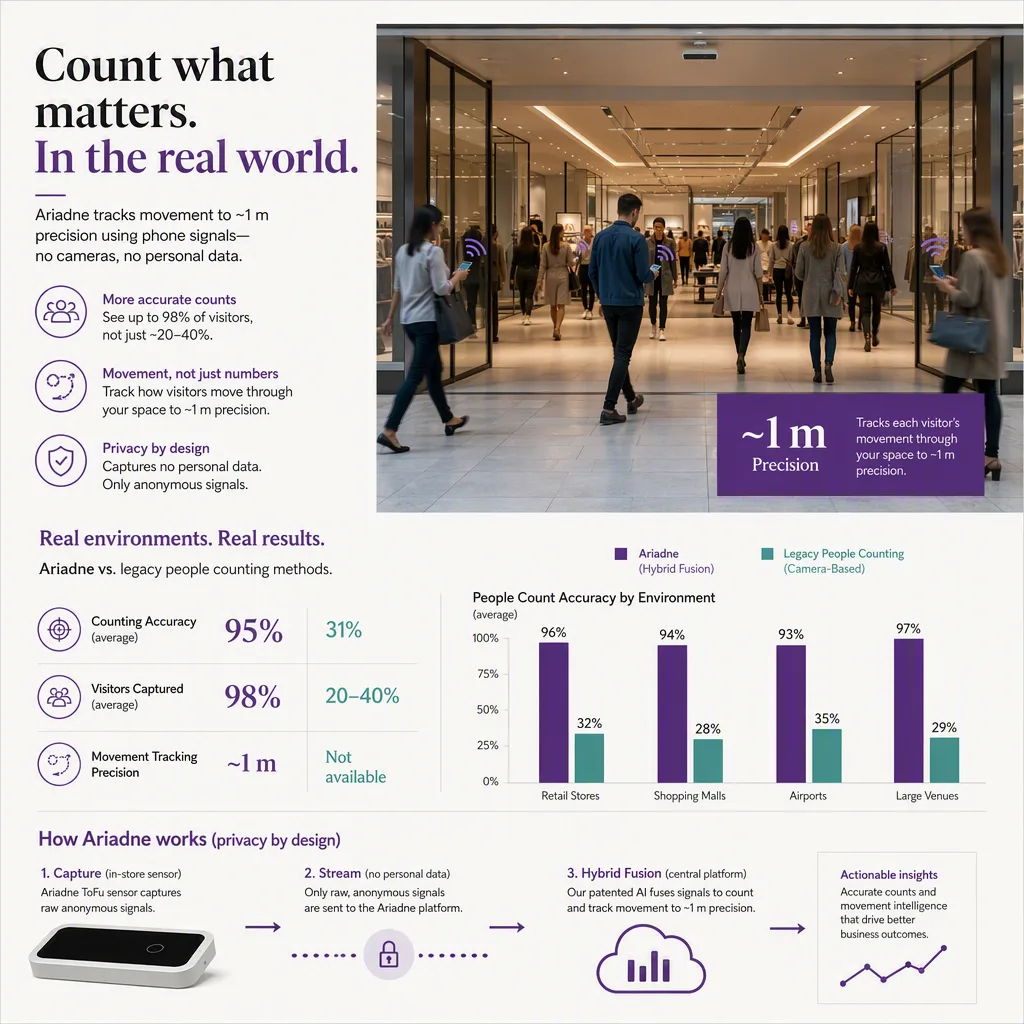
All of it reduces to the same anonymous journey layer: destination-directed trajectories, counter dwell, post-counter paths, no identities required (journey touchpoint measurement covers the mechanics). Digital follow-up after these visits has its own timing discipline, covered in post-visit push notification timing; the mapping method is the pillar, customer journey mapping.
---


