
Ein Gartencenter läuft auf einem Kalender, den niemand kontrolliert. Das Geschäft ist wild saisonal und, obendrauf, wild wetterabhängig. Eine Reihe kalter, nasser Aprilwochenenden kann das Frühjahr abflachen, das das Jahr trägt; ein einziger sonniger Feiertag kann einen Monatswert an Kunden in zwei Tagen durch die Tore bringen. Der Betreiber versucht ständig, gegen eine Spitze zu besetzen, zu bevorraten und vorzubereiten, die noch nicht angekommen ist und an einem anderen Wochenende als geplant landen könnte. Machen Sie es richtig, und die Saison trägt das Geschäft. Lesen Sie das Wetter falsch, und Sie sind entweder im Regen überbesetzt oder überrannt und unterversorgt am einen Wochenende, das zählte.
Die Daten, die die meisten Gartencenter haben, helfen dabei nicht. Kassenbelege sagen Ihnen im Nachhinein, was sich verkaufte, wozu die Besetzungs- und Bestandsentscheidungen bereits getroffen oder verpasst sind. Was der Betreiber braucht, ist ein Blick darauf, wie viele Menschen tatsächlich durch die Tore kommen, während das Wetter umschlägt, über einen Standort, der teils Innenhandel, teils Außenpflanzenbereich, teils Ziel-Café ist, mit mehreren Eingängen statt einer ordentlichen Tür. Das ist ein Frequenzzählungsproblem mit einer besonderen saisonalen und räumlichen Form, und in diesem Leitfaden geht es um diese Form.
Warum braucht ein Gartencenter Frequenzdaten?
Gartencenter leben und sterben mit einer kurzen, wettergetriebenen Saison, und ein sonniges Frühjahrswochenende kann einen Monat Geschäft tragen. Frequenzdaten zeigen, wie die Frequenz mit dem Wetter und dem Kalender schwankt, sodass Personal, Bestand und Café-Vorbereitung der Nachfrage folgen können statt einem festen Dienstplan. Sie trennen auch die Ziel-Café- und Weihnachtsgrotto-Besucher von den Kernpflanzenkäufern und messen die Conversion über einen großen Innen-und-Außen-Standort, an dem ein einzelner Türzähler den Großteil der Frequenz verfehlen würde.
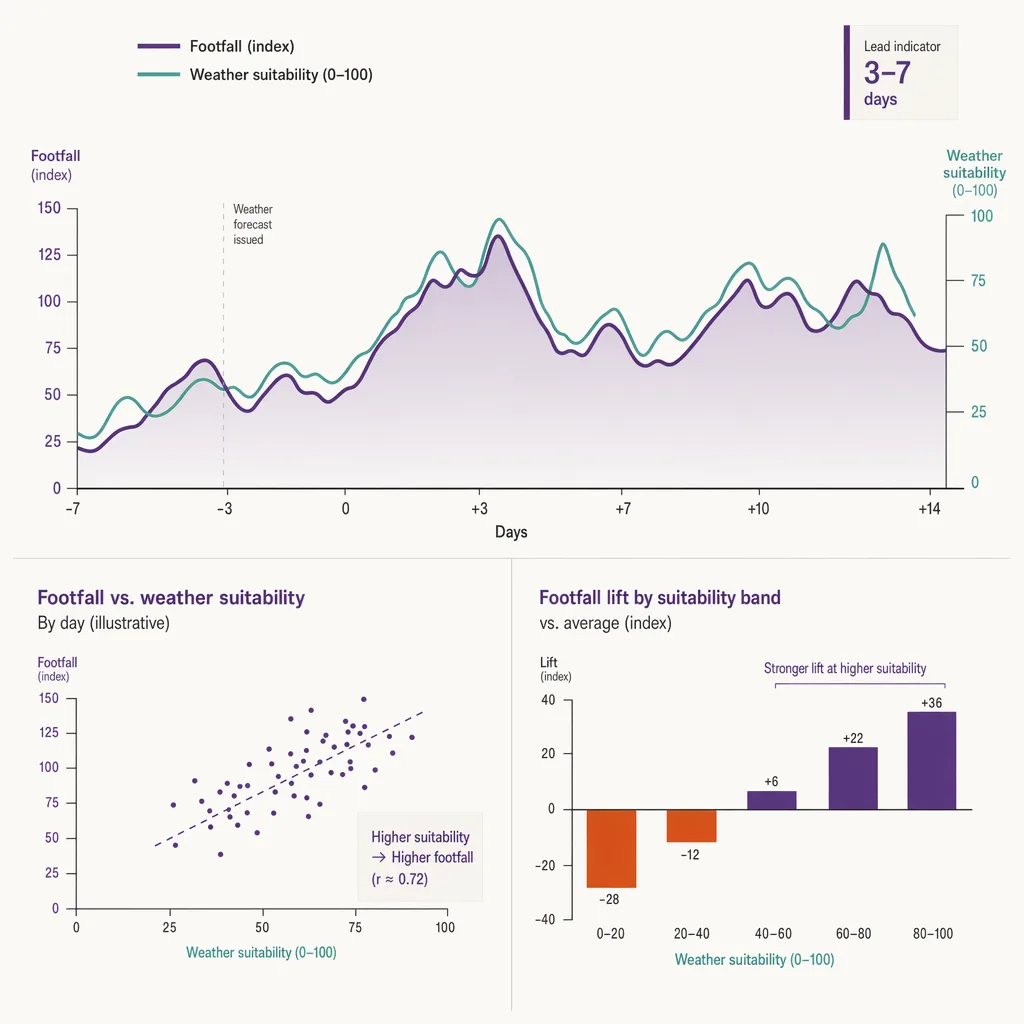
Der Kerngedanke ist, dass die Frequenz ein vorlaufender Indikator ist, wo Kassendaten ein nachlaufender sind. Wenn die Belege eintreffen, ist das Wochenende vorbei. Eine Echtzeitzählung, wer ankommt, gelesen gegen die Vorhersage, ist der Input, der einem Gartencenter erlaubt zu reagieren, solange es noch kann.
Der gartencenter-spezifische Schmerzpunkt: eine wettergetriebene Spitze, die auf dem Wochenende landet, das Sie unterbesetzten
Das bestimmende Problem ist Timing unter Unsicherheit. Die Frühjahrs- und Frühsommerspitze, plus die Weihnachtssaison für die Center, die sie gut machen, ist da, wo das Geld ist, und das genaue Timing der Frühjahrsspitze ist dem Wetter ausgeliefert. Ein Betreiber baut einen Dienstplan und einen Bestandsplan Wochen im Voraus und wettet darauf, wann die warmen, trockenen Wochenenden fallen. Das Wetter widerspricht dann. Das Gartencenter, das für eine vorhergesagte Regenpleite aufstockte und Sonne bekam, ist überwältigt; das, das für Sonne besetzte und Regen bekam, zahlt Löhne an Menschen, die einen leeren Parkplatz beobachten.
Der Bestand hat dieselbe Exposition, verschärft durch die Tatsache, dass viel davon lebt. Beetpflanzen, Hängekörbe und Saisonartikel müssen für das Spitzenwochenende da und gut aussehend sein, und sie verderben oder werden überständig, wenn die Spitze verrutscht. Die Café-Vorbereitung ist dasselbe Glücksspiel in kleinerem Maßstab, frische Ware bestellt gegen eine Schätzung, wie viele Menschen kommen werden. Unter all dem liegt eine einzelne fehlende Tatsache: wie viele Menschen tatsächlich vor Ort sind, gerade jetzt und über die letzten Stunden, während das Wetter tut, was auch immer es an diesem bestimmten Wochenende tut.
Die Verdichtung des Handelsjahres ist es, die die Einsätze so hoch macht. Ein Gartencenter macht einen großen Anteil seines Jahresgewinns an einer Handvoll Frühjahrs- und Feiertagswochenenden, sodass ein Fehler an einem dieser Wochenenden kein normales Handelsschwanken ist; es ist eine spürbare Delle im Jahr. An dem einen warmen Samstag in einem kalten April unterbesetzt erwischt zu werden bedeutet Schlangen an den Kassen, Pflanzen, die niemand Zeit hatte zu gießen, und ein Café, dem das Essen ausging, alles an dem Tag, an dem die meisten Kunden je den Ort beurteilen werden. Die Asymmetrie läuft auch andersherum: eine voll besetzte Regenpleite verbrennt Löhne ohne Ergebnis. Weil dieselbe Handvoll Tage das Jahr trägt, kann der Betreiber sich nicht aus dem Problem herausmitteln; er muss die konkreten Wochenenden richtig machen, und genau dafür ist eine Live-Ankunftszählung gelesen gegen die Vorhersage da.
Wetter- und Saisonfrequenzmuster
Hier bewährt sich die Frequenzzählung, denn die Gartencenter-Nachfragekurve ist eine der wettersensibelsten im Einzelhandel. Die Tore zu zählen gibt eine fortlaufende Aufzeichnung der Ankünfte, die sich direkt gegen Temperatur, Niederschlag und den Kalender legen lässt, was aus einem vagen Betreiberinstinkt ("es wird voll, wenn es warm ist") eine gemessene Beziehung macht, um die herum das Geschäft planen kann.
Die Beziehung zwischen Wetter und Frequenz ist über Formate hinweg dokumentiert, und Gartencenter sitzen an ihrem äußersten Ende. Über ein paar Saisons zeigen die Daten, wie stark ein warmer, trockener Samstag die Frequenz über einen kalten, nassen hebt, wie sich die Spitze mit dem Frühjahr früher oder später verschiebt und wie verlässlich der Feiertagsschub wirklich ist. Kombiniert mit dem zugrunde liegenden Wochentagsmuster, wo Wochenenden dominieren und die Werktagsform recht anders ist, bekommt der Betreiber eine Vorhersage, gegen die er tatsächlich besetzen und bevorraten kann, statt einer Hoffnung.
Der Wert verstärkt sich über die Saisons, weil jedes Jahr einen weiteren Datenpunkt zu demselben Wetter-und-Kalender-Modell hinzufügt. Nach einer Saison hat ein Betreiber ein grobes Gefühl dafür, wie stark ein warmes Wochenende die Frequenz hebt; nach ein paar hat er eine Beziehung, verlässlich genug, um eine Mittwochsvorhersage mit echtem Vertrauen in eine Besetzungs- und Bestandsentscheidung für den kommenden Samstag zu übersetzen. Das ist der Unterschied zwischen auf das Wetter reagieren und gegen es planen. Die Vorhersage hört auf, eine Quelle der Angst zu sein, und wird zu einem Input, aus dem der Dienstplan und die Bestandsbestellung gebaut werden, was das Nächste ist, wie ein wetterabhängiges Geschäft der Kontrolle seiner eigenen Spitze kommt.
Zählen über Innen- und Außenbereiche, einschließlich Café und Saisonveranstaltungen
Ein Gartencenter ist nicht ein Laden mit einer Tür. Es ist ein weitläufiger Standort: die Innenhandelshalle, die Außenpflanzenbereiche und die Gärtnerei, das Café, das für viele Center ein Ziel in eigenem Recht ist, und die saisonalen Anziehungspunkte wie eine Weihnachtsgrotto oder eine Sommerveranstaltung. Kunden fließen zwischen diesen in ihrer eigenen Reihenfolge, und ein einzelner Zähler am Haupteingang würde die Menschen verfehlen, die hauptsächlich fürs Café kamen, die durch ein zweites Tor ankamen oder die Aufteilung zwischen Pflanzenkäufern und Veranstaltungsbesuchern.
Das Zählen an den relevanten Schwellen, den Haupteingängen, dem Café, dem Saisonveranstaltungsbereich, trennt diese Ströme. Das zählt kommerziell, denn die Café-und-Grotto-Menge und der Kernpflanzenkäufer sind unterschiedliche Kunden mit unterschiedlichen Besetzungs- und Bestandsbedürfnissen, und sie in eine Torzählung zu werfen verbirgt beide. Es zählt auch für den einfachen operativen Blick, wo die Menschen an einem vollen Tag tatsächlich sind, sodass das Café vorbereitet, der Pflanzenbereich besetzt und die Grotto-Schlange gegen echte Ankünfte statt gegen eine Schätzung gemanagt wird. Für einen Bestand ist das dieselbe Einzelhandels-Personenzählung, angewandt auf einen Standort, dessen "Laden" halb im Freien ist.
Das Café lohnt es, als eigenes Geschäft innerhalb des Standorts behandelt zu werden, denn für viele Center ist es einer der margenstärkeren Teile des Betriebs und läuft auf einer anderen Uhr als das Pflanzengeschäft. Die Café-Nachfrage spitzt um den späten Vormittag und Mittag, unabhängig davon, ob jemand Pflanzen kauft, und sie hält sich an den grauen Tagen, die das Außengeschäft abflachen, was genau dann ist, wenn ein Gartencenter den Umsatz am meisten braucht. Die Café-Schwelle getrennt zu zählen lässt den Betreiber Essen vorbereiten und die Theke nach der eigenen Ankunftskurve des Cafés besetzen statt nach der Gesamt-Torfrequenz, und es enthüllt die wirklich nützliche Tatsache, wie viele Besucher fürs Café kommen und nie die Kassen erreichen, was der Anfang jedes vernünftigen Gesprächs darüber ist, sie dazu zu bringen.
Wie kamerafreies Zählen zu einem offenen, teils im Freien liegenden Raum passt
Ein Gartencenter ist eine offene, luftige, teils im Freien liegende Umgebung, und das ist das Erlebnis, für das Kunden kommen. Es ist auch ein Umfeld, in dem Kameras über den Pflanzenbereichen und dem Café über so viel offene Fläche und wechselndes Licht sowohl aufdringlich als auch unpraktisch wären. Das Zählen muss im Freien funktionieren, mit dem Licht zurechtkommen, das von einem hellen Morgen zu einem grauen Nachmittag wechselt, und es tun, ohne Kunden zu filmen, die durch die Gärtnerei wandern.
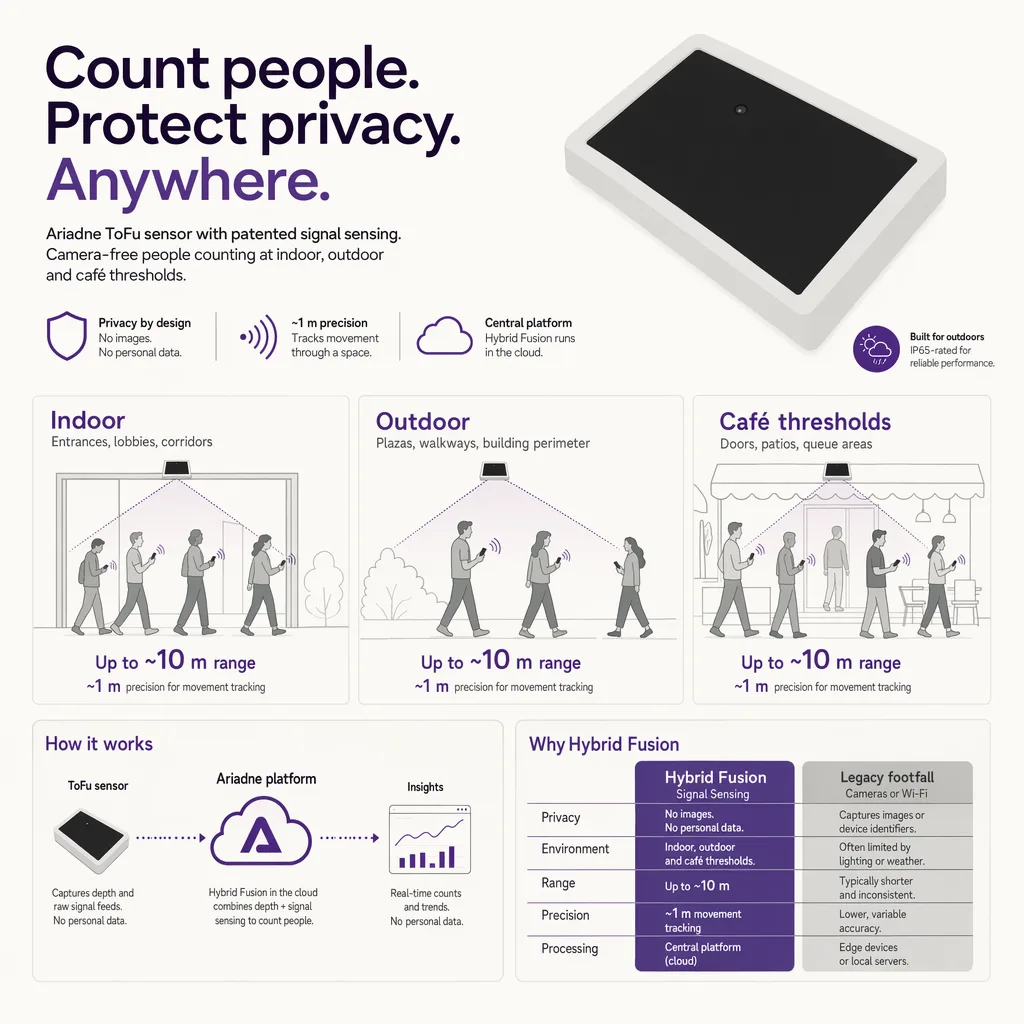
Ariadne misst dies mit Hybrid Fusion, der patentierten kamerafreien Methode. Time-of-Flight-Tiefensensorik zählt an den Eingängen jeden Besucher und erfasst Geometrie statt Bilder, während die patentierte Signalerfassung die Bewegung im Innenraum verfolgt und die Signale erkennt, die ein Telefon aussendet, selbst im Flugmodus, und diese Bewegung auf etwa einen Meter genau auflöst. Der Sensor streamt beide Datenströme an Ariadne, wo Hybrid Fusion sie zu einer Trajektorie pro Besuch zusammenführt und Zählwerte, Verweildauer und Wege berechnet. Die Datenströme tragen keine Identifikatoren: keine MAC-Adresse, keine Geräte-ID, keine biometrischen Daten, und es ist keine Kamera beteiligt. Identifikatoren werden nur gespeichert, wenn ein Besucher ausdrücklich zustimmt, was die Methode datenschutzfreundlich und außerhalb des biometrischen Bereichs hält.
Für ein Gartencenter bedeutet das genaue Zählungen an den Toren und Schlüsselzonen ohne Aufnahme von Kunden und ohne etwas Persönliches gespeichert, und weil die Tiefenerkennung ihr eigenes Licht liefert, hält sie sich, während das Tageslicht über den Tag wechselt. Wie bei jedem kamerafreien Einsatz im Freien müssen die Einheiten an Außenschwellen für die Umgebung geeignet sein, bestätigen Sie das also für den konkreten Standort.
Conversion und Warenkorb an einem großen gemischten Standort
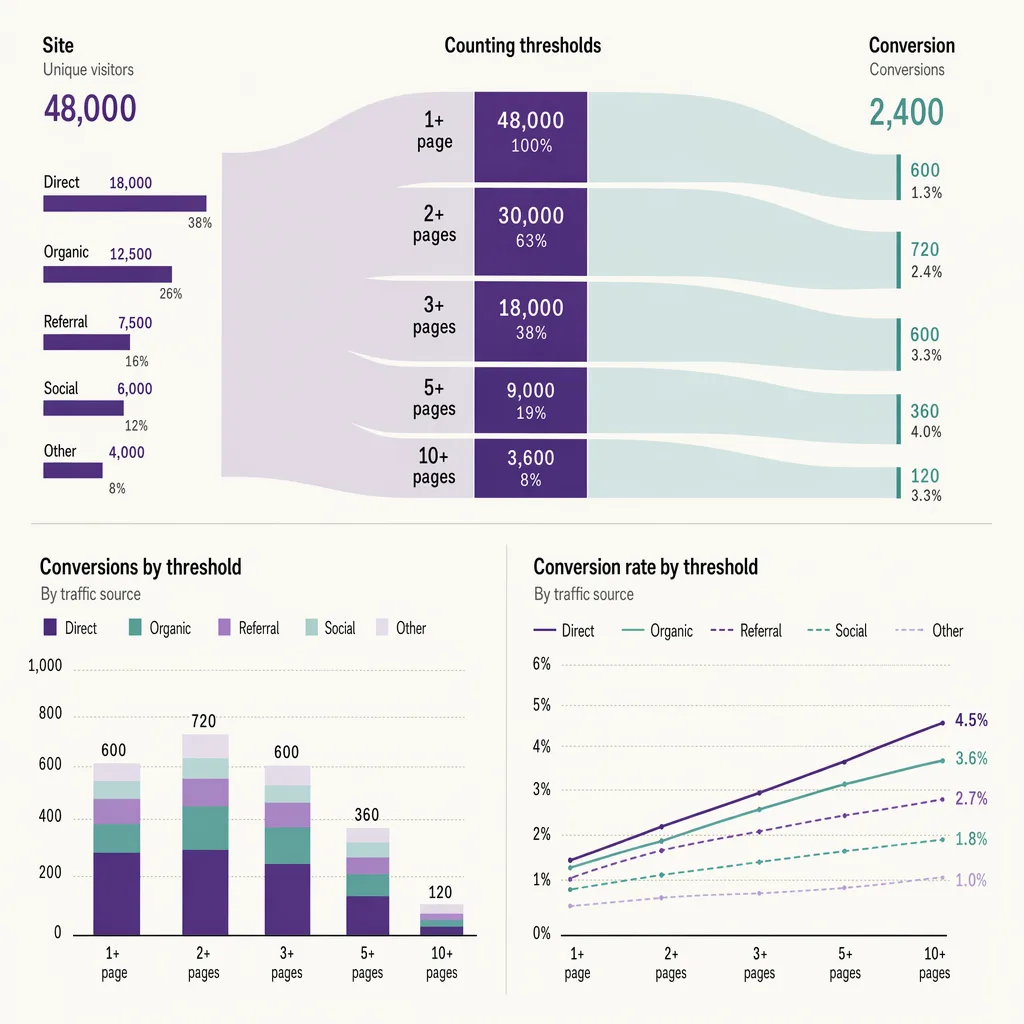
Die Frequenz ist die Spitze des Trichters; der Erfolg der Saison ist, ob diese Frequenz konvertierte. Mit einer Zählung, wie viele Menschen durch die Tore kamen, und Kassendaten für denselben Zeitraum bekommt ein Gartencenter einen Conversion-Blick, den es zuvor nicht sehen konnte: wie viele Besucher zu Käufern wurden und wie diese Conversion an den vollsten Wochenenden hält oder zusammenbricht. Ein Spitzenwochenende mit riesiger Frequenz und schwacher Conversion ist ein anderes Problem, Schlangen, Unterbesetzung, Bestandslücken, als ein ruhiges Wochenende mit niedriger Frequenz, und nur das Zählen gegen Verkäufe hält sie auseinander.
Das ist die übliche Conversion-Rate-Berechnung, angewandt auf einen gemischten Standort, mit der Vorsicht, dass die Café- und Veranstaltungsbesucher die Frequenz gegenüber den Pflanzenladenverkäufen aufblähen, was genau der Grund ist, warum das getrennte Zählen dieser Ströme zählt. Sobald das Conversion-Bild klar ist, schließt die Besetzungsentscheidung den Kreis: die Besetzung an die gemessene Wochenendspitze anzupassen, dieselbe Logik Besetzung-zur-Spitze, die jeder frequenzgeführte Händler nutzt, sodass der sonnige Samstag, der die Saison trägt, der ist, für den Sie tatsächlich besetzten.
Wie ein Gartencenter-Manager es tatsächlich nutzt
Der Nutzer ist der Center-Manager oder der Dienstmanager, und der wirklich nützliche Rhythmus läuft auf der kommenden Woche, nicht auf dem vergangenen Tag. Mitten in der Woche lesen sie die Wochenendvorhersage gegen ihre eigene gemessene Wetter-und-Frequenz-Beziehung und setzen den Dienstplan, die Bestandsbestellung und die Café-Vorbereitung entsprechend, stocken für den warmen, trockenen Samstag auf und halten für die Regenpleite zurück. Diese eine Entscheidung, am Mittwoch mit einem echten Ankunftsmodell statt einem Bauchgefühl getroffen, ist da, wo sich das System bezahlt macht, denn sie setzt die Arbeit und den verderblichen Bestand dorthin, wo die Kunden tatsächlich sein werden.
Am Tag selbst wird die Live-Zählung zum Einsatzwerkzeug. Ein Dienstmanager, der die Ankünfte schneller als erwartet klettern sieht, kann Personal an die Kassen und ins Café ziehen, bevor die Schlangen sich bilden, statt danach, den Pflanzenbereich gießen und aufräumen, solange noch Zeit ist, und eine zweite Grotto-Spur öffnen, bevor die Schlange unschön wird. Nach dem Wochenende schließt der Conversion-Blick den Kreis: Ein Samstag mit riesiger Frequenz, aber schwacher Conversion wird diagnostiziert, Schlangen, Lücken in den Regalen, nicht genug Kassen offen, sodass das nächste große Wochenende besser gefahren wird. Nichts davon braucht einen Datenanalysten; es braucht einen Manager, der Ankünfte sehen kann, während sie geschehen, und die Conversion des Wochenendes am folgenden Montag lesen.
FAQ
Wie hilft Frequenzdaten beim wettergetriebenen Geschäft?
Sie gibt eine Live-, fortlaufende Zählung der Ankünfte, die sich gegen die Vorhersage lesen lässt, sodass der Betreiber reagieren kann, während das Wochenende noch läuft. Kassendaten treffen erst im Nachhinein ein, wozu die Besetzungs- und Café-Vorbereitungsentscheidungen bereits getroffen sind.
Kann es die Außenpflanzenbereiche und das Café zählen, nicht nur die Vordertür?
Ja. Das Zählen an den relevanten Schwellen, den Haupttoren, dem Café, dem Saisonveranstaltungsbereich, trennt die Ströme, sodass die Café-und-Grotto-Menge und die Kernpflanzenkäufer als getrennt statt als eine Torzahl erscheinen.
Funktioniert es im Freien und bei wechselndem Licht?
Die Tiefenerkennung bringt ihr eigenes Infrarotlicht mit, sie zählt also, während sich das Tageslicht über den Tag verschiebt. Einheiten an Außenschwellen müssen für die Umgebung geeignet sein, bestätigen Sie also die Umgebungsklassifizierung für den konkreten Standort.
Sagt mir das Zählen der Frequenz meine Conversion Rate?
Es gibt die obere Hälfte der Berechnung, die Zahl der Menschen, die hereinkamen. Verglichen mit Kassentransaktionen für denselben Zeitraum ergibt das eine Conversion Rate, mit dem Vorbehalt, dass Café- und Veranstaltungsbesucher die Frequenz gegenüber den Pflanzenladenverkäufen heben, weshalb das getrennte Zählen dieser Bereiche sich lohnt.
Wie weit im Voraus kann ich die Personalplanung damit machen?
So weit im Voraus, wie Ihre Wettervorhersage verlässlich ist, denn das System gibt Ihnen eine gemessene Beziehung zwischen Wetter und Ankünften statt einer Vorhersage selbst. Sobald Sie eine Saison oder zwei an Daten haben, übersetzt sich eine Mittwochsdurchsicht der Wochenendvorhersage mit echtem Vertrauen statt einer Schätzung in eine Besetzungs- und Bestandsentscheidung.
Hilft es bei der Weihnachtssaison ebenso wie im Frühjahr?
Ja. Die Weihnachtsgrotto und das saisonale Geschenkgeschäft ist eine eigene Spitze mit einem eigenen Ankunftsmuster, und die relevanten Eingänge getrennt zu zählen zeigt, wie sich die Festtagsmenge verhält, was die Grotto-Besetzung, die Schlangenverwaltung und das Bestücken des Saisonsortiments gegen echte Ankünfte informiert.


