
The journey that is supposed to be slow
Furniture retail runs on the longest dwell times and lowest visit-to-purchase conversion in physical retail, and both are structural: nobody buys a sofa the way they buy socks. The showroom journey is a research visit as often as a buying visit, and reading it correctly means measuring it as one episode in a multi-visit decision, not as a failed conversion.
What makes the furniture showroom journey different?
Three things. Duration: visitors settle into room sets, test furniture physically, and routinely spend ten times longer in store than a fashion shopper. Comparison structure: the journey moves between competing versions of the same item (three sofas, four mattresses), so path loops and returns to a zone are signal, not noise. And deferral by design: a large share of successful journeys end with no transaction, because the purchase happens on a later visit or online; the visit did its job if the shortlist got shorter.
Reading the room sets
The showroom's unit of analysis is the room set, and its two measurables are reach (which sets a journey enters) and settle time (dwell long enough to mean physical testing rather than walking past). A set with high reach and no settle is styling that stops nobody; a set where visitors settle for minutes is doing sales work whether or not a till rings that day. Baseline traffic patterns for this vertical are covered in furniture showroom traffic.
Loops and returns are the buying signal
Furniture journeys loop: a visitor compares two sets, leaves, returns to the first, sits again. Return-to-zone within one visit is among the strongest purchase-intent signals a showroom can measure, and it is exactly the kind of pattern that only journey-level measurement catches; a zone counter sees two visits, a trajectory sees one decision forming. Where staff should be during that moment is a coverage question answered by flow: associates positioned on the loop, not at the door.
The multi-visit reality
The decision spans visits, so the showroom's job on visit one is to earn visit two. Measurable proxies: journeys that reach a service point or fabric-sample wall, dwell in planning areas (kitchen planners, configurators), and the store-level pattern of repeat visit rates. The famous benchmark for turning measured showroom journeys into layout decisions is the Swedish furniture retailer case, covered with numbers in the retail layout optimization guide.
Measuring it without making visitors objects of study
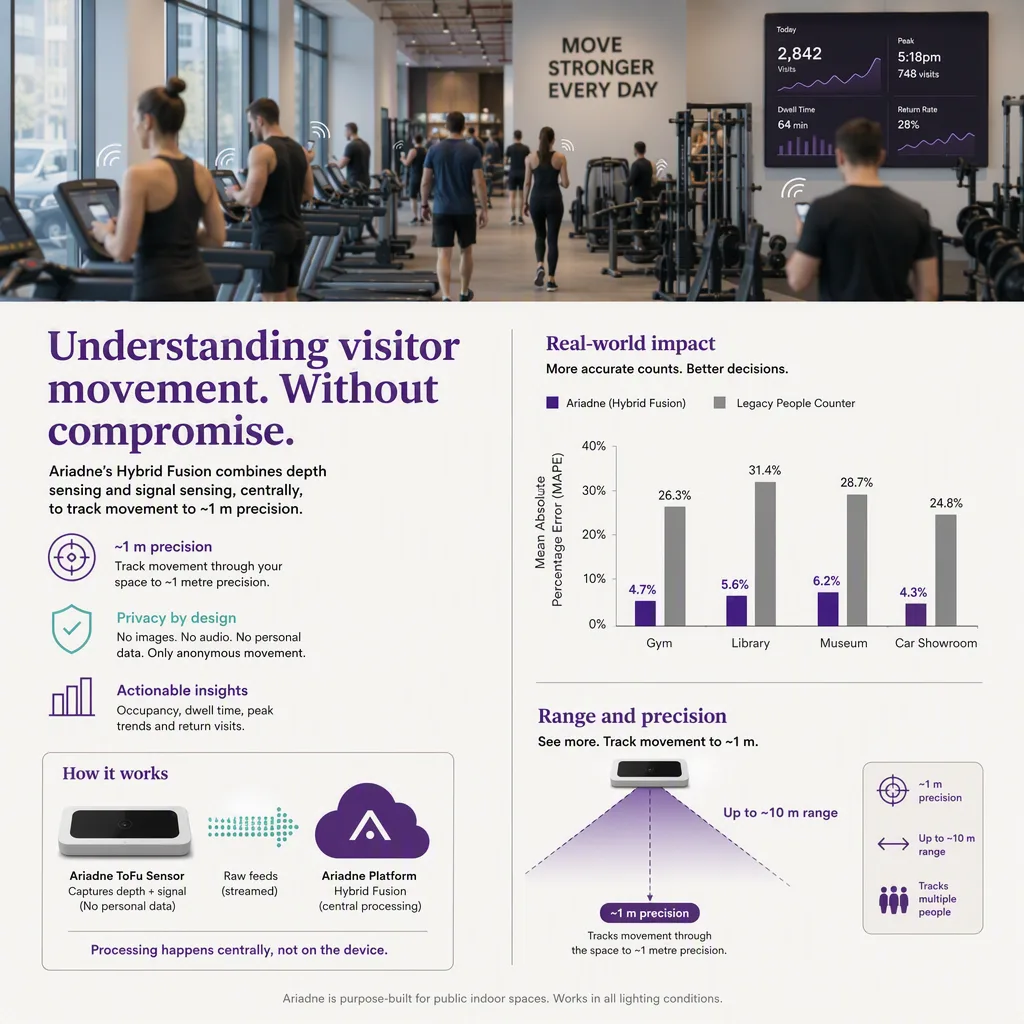
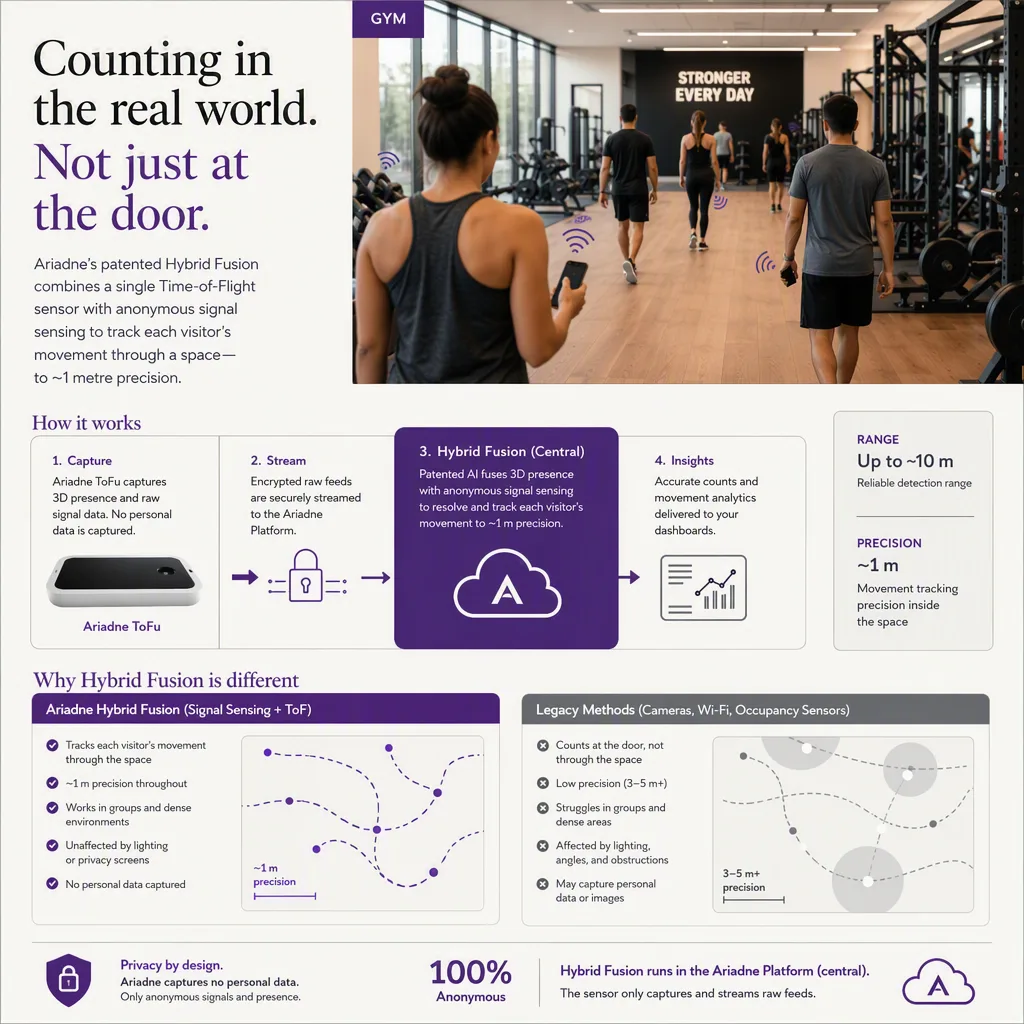
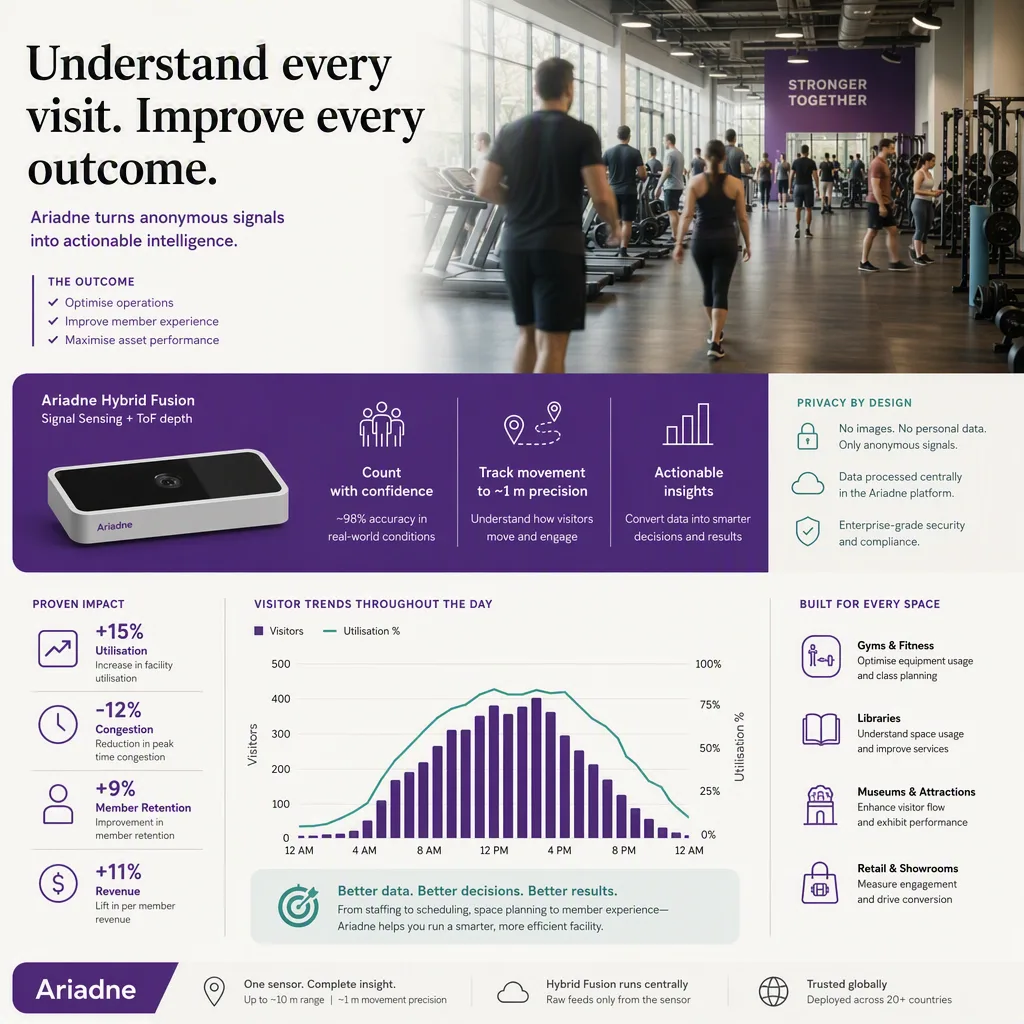
Long dwell and camera surveillance is an ugly combination; a family testing mattresses under video observation is a customer-experience problem in itself. Ariadne measures showroom journeys camera-free, as anonymous paths and dwell, so settle time and loops are counted without anyone being watched. The method for turning those measurements into a journey map is the pillar, customer journey mapping.
# Program 3, Cluster 2 (Customer journey verticals) EN drafts: Part B (rows 225-228)
Status: EN drafts for review. Not pushed to CMS. No images, no DE yet.
Author: Govarthan.
---


