
Der Pilot, der nichts entscheidet
Der Standard-Zählpilot: Ein Anbieter installiert einen Monat einen Sensor, schickt ein Dashboard, alle finden es plausibel, und die Entscheidung fällt trotzdem über den Preis. Dieser Pilot hat echte Zeit gekostet und keinen Nachweis produziert, weil niemand aufgeschrieben hat, was er beweisen sollte. Ein Pilot ist ein Experiment, und Experimente brauchen eine Hypothese, eine Messung und eine im Vorhinein festgelegte Entscheidungsregel.
Wie führt man einen Zählpiloten, der zu einer Entscheidung führt?
Zuerst die Entscheidungsregel schreiben: die konkreten Ergebnisse, die ja bedeuten, die, die nein bedeuten, und wer entscheidet. Dann den Test so bauen, dass er genau diese Ergebnisse produziert: repräsentative Standorte (inklusive der schwierigsten Tür, nicht nur der leichten), ein Genauigkeitstest gegen eine Referenz nach schriftlicher Methode, eine Dauer, die echte Spitzenbedingungen abdeckt, eine Integration von Ende zu Ende belegt, und ein Servicetest (ein echtes Support-Ticket öffnen und die Reaktion messen). Alles andere in einem Piloten ist Dekoration.
Die Standorte wählen, die scheitern können
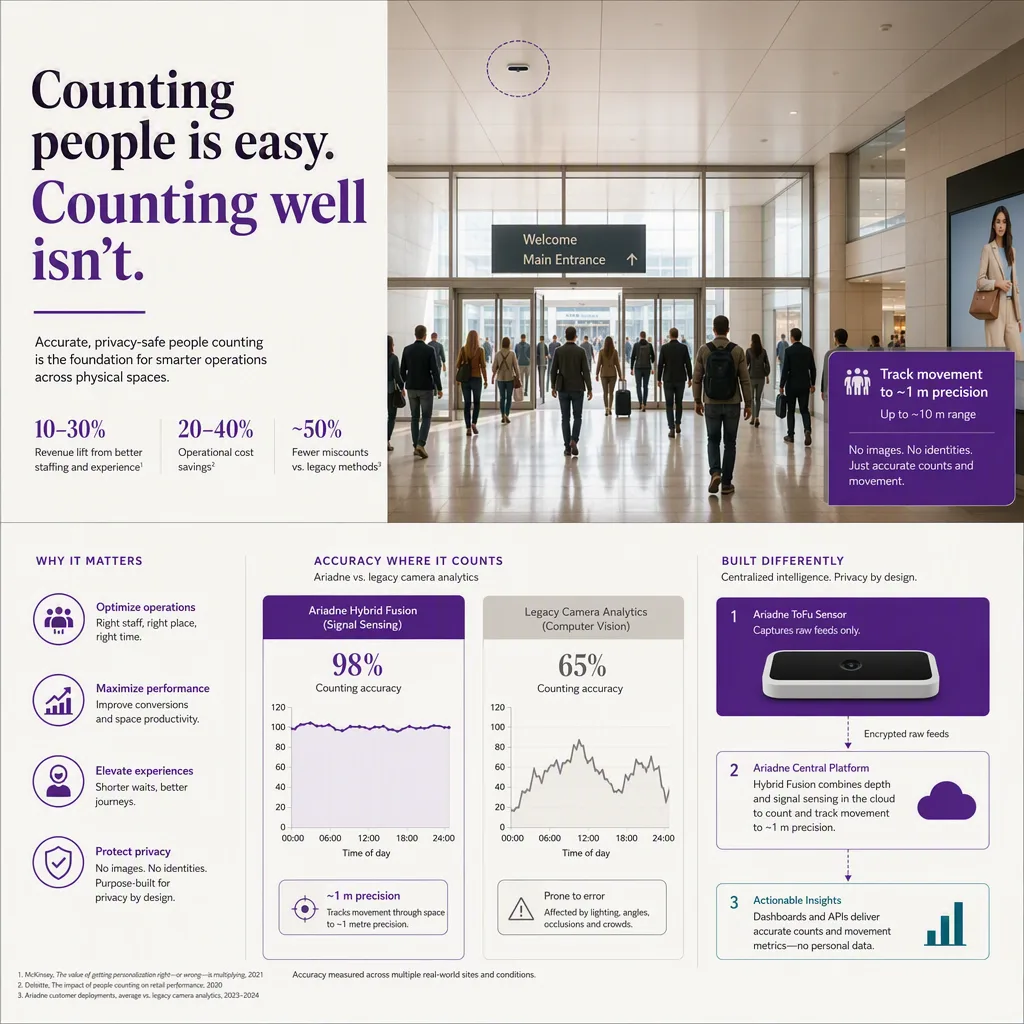
Piloten laufen im Flagship, dem Standort, der am ehesten gelingt und am wenigsten lehrt. Nehmen Sie mindestens einen echten Härtefall dazu: einen breiten Eingang, eine Glasfront in starker Sonne, eine Tür mit viel Gruppenverkehr oder das unbequeme Zwischengeschoss, über das alle schweigen. Wenn das System Ihre schwierigste Tür beherrscht, ist der Rest des Portfolios Arithmetik; wenn es nur die leichte beherrscht, haben Sie einen Rollout voller Überraschungen gekauft. Die Grundlagen der Standortauswahl behandelt der Leitfaden zum Pilotprojekt.
Die vier Tests, die sich lohnen
- Genauigkeit gegen Referenz, nach schriftlichem Verfahren und mit der Metrikdefinition Ihrer Spezifikation: Methodik zum Genauigkeitstest, Definitionen in Spezifikationen für Personenzählung.
- Integration von Ende zu Ende. Ein echter Datenpfad in ein System, das Sie tatsächlich nutzen, kein Export-Screenshot: Integrationsanforderungen.
- Operative Passung. Kann Ihr eigenes Team das Dashboard lesen und während des Piloten eine Entscheidung damit treffen? Ein unbenutzter Bericht ist ein gescheitertes Feature, unabhängig von seiner Genauigkeit.
- Servicerealität. Ein echtes Ticket öffnen, protokollieren, was passiert, und es mit den Reaktionszeiten vergleichen, die Sie unterschreiben sollen: Wartung und SLA.
Den Piloten in Vertragsbedingungen übersetzen
Das eigentliche Ergebnis des Piloten ist Vertragssprache. Das Genauigkeitsergebnis wird die Abnahmeschwelle (Abnahmetest). Die Integrationsarbeit wird ein Lieferziel. Die Serviceerfahrung wird das SLA, das Sie verhandeln statt akzeptieren. Und der Aufwand pro Tür aus dem Piloten wird der ehrliche Input für das Fünfjahresmodell in den Gesamtkosten und ersetzt die Rollout-Schätzung des Anbieters durch Ihre gemessene. Diese Zahlen in das interne Argument zu speisen ist die Aufgabe des Business Case.
Wenn die Antwort nein ist
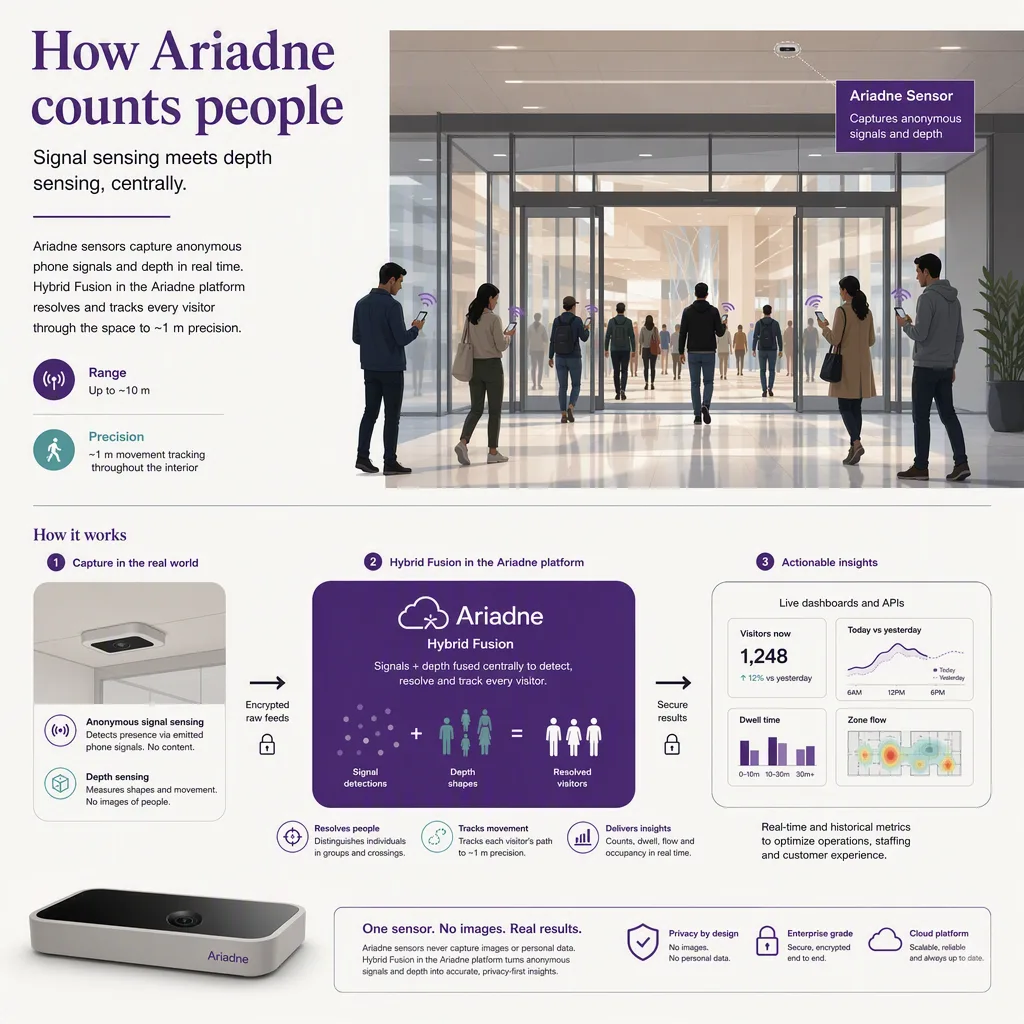
Ein Pilot, der mit nein endet, ist ein Erfolg, für den man budgetieren sollte; der Fehlermodus ist ein Pilot, der mit vielleicht endet und über Erschöpfung in einen Kauf treibt. Deshalb geht die Entscheidungsregel schriftlich fest, bevor die Sensoren kommen, mit einem benannten Entscheidungsdatum. Ariadne wird lieber an dieser Regel gemessen als durch Ausdauer zu gewinnen, und deshalb gehören die kamerafreie Architektur und die Vor-Ort-Verifikation in den Piloten statt in den Pitch.

---


