CEO & Managing Director
How This Hardware Store Doubled Its Revenue by Optimizing Billboard Campaigns
Billboards used to be the most frustrating line item on this hardware store’s marketing budget.
They were expensive. They were hard to measure. And every month ended the same way: the team felt like the campaign helped, but they couldn’t prove it or repeat it.
Then they made one change in mindset
They stopped treating billboards like “awareness,” and started treating them like a performance channel.
Within a few months, the store was running billboard campaigns that consistently drove the one thing every retailer cares about: more revenue. Eventually, they doubled it.
Here’s the playbook they used and how you can replicate it.
The Problem With Most Billboard Campaigns
Most out-of-home (OOH) campaigns fail for one simple reason. They optimize for visibility, not store impact.
Typical billboard planning sounds like:
- “Let’s get the highest traffic road.”
- “Let’s buy the biggest format.”
- “Let’s run it near the city center.”
Those choices can generate impressions, but they don’t guarantee:
- the right customers
- the right timing
- the right message
- or any measurable lift in store performance
This hardware store had three specific pain points:
- No attribution: Sales went up and down, but they couldn’t tie changes to billboard flights.
- Low-intent traffic: They attracted a lot of “drive-by interest,” but not enough people actually walked in.
- Inconsistent ROI: One campaign performed great, the next underperformed, and nobody knew why.
So they rebuilt their billboard strategy around what actually moves revenue.
The Breakthrough: Optimize for Store Behavior, Not Impressions
They defined a simple goal:
“A billboard isn’t successful when people see it.
It’s successful when the right people enter the store and buy.”
That led to a new campaign framework based on three measurable levers:
- Visitor quality (Who comes from where?)
- Entry rate (How many people actually walk in?)
- Conversion (Do those visitors buy and how much?)
Instead of guessing, they measured these levers weekly and used them to adjust billboard placement, messaging, and timing.
Step 1: Fix the #1 Billboard Mistake - Targeting the Wrong Radius
Most teams choose billboards based on traffic volume. This store chose them based on customer distance.
They mapped where their best customers came from and learned something surprising:
- Their most profitable customers weren’t the farthest away.
- Their most profitable customers weren’t the closest either.
- The “sweet spot” was a high-intent catchment radius close enough to visit easily, far enough to represent real demand.
So they stopped buying random prime locations and started planning by zones:
Their new billboard structure
- Zone A (core radius): billboards that reinforce trust and drive repeat visits
- Zone B (sweet spot): billboards designed to pull in high-value new shoppers
- Zone C (stretch radius): only used during seasonal peaks (gardening, snow tools, renovation cycles)
This alone reduced wasted reach and increased the share of visitors who were likely to buy.
Step 2: Measure the Metric That Actually Matters - “Did People Walk In?”
Here’s a hard truth:
A billboard can increase awareness without increasing entries.
That’s why this store started tracking a metric most retailers ignore:
Entry Rate (aka “Turn-In Rate”)
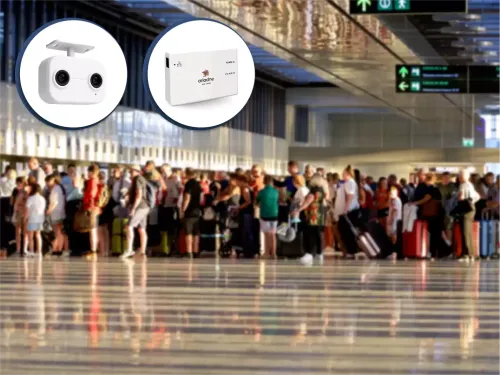
In plain terms: How many people pass by the store area vs. how many actually enter
When they ran billboards, they monitored entry rate by day and hour. This revealed two key insights:
- Some campaigns increased “interest,” but didn’t change entry behavior.
- The best campaigns didn’t just increase traffic, they increased the percentage of people who decided to walk in.
So instead of celebrating impressions, they optimized for entry lift.
Step 3: Match Billboard Messaging to Immediate Buying Intent
Hardware retail isn’t like fashion. People don’t drive to a hardware store “to browse.”
They come because they have a problem:
- paint a room
- fix a leak
- replace a lock
- buy a tool for a job this weekend
So the store replaced vague branding with high-intent offers.
Before (what most billboards do)
- “Your local hardware expert”
- “Everything for your home”
- “Biggest selection in town”
After (what doubled revenue)
- “Paint matched in minutes”
- “Tool rental for weekend projects”
- “Keys cut while you wait”
- “Garden season starts here”
- “Winter prep: salt + shovels + heaters”
Each billboard became a trigger for a specific mission and those missions drove higher conversion once shoppers arrived.
Step 4: Optimize Timing Like a Performance Marketer
Billboards aren’t only about where they’re about when.
This store discovered something that changed their buying plan:
They made more money when they ran billboards in bursts aligned to customer jobs.
Examples:
- Thursday–Saturday pushes for weekend DIY projects
- Early-month campaigns tied to pay cycles
- Seasonal bursts (spring garden, summer outdoor, fall weatherproofing, winter clearance)
Instead of “always-on” spend, they ran shorter flights with sharper intent and watched store performance respond more predictably.
Step 5: Fix the Storefront so Billboard Demand Doesn’t Leak Away
Once entries increased, they realized the next bottleneck wasn’t marketing.
It was the store itself.
If a customer arrives motivated, but can’t immediately see:
- where to go
- what to buy
- how to get help
…they leave.
So they made three practical changes:
- “Category visibility” at the threshold: They used signage and window placement so the top billboard-promised categories were visible immediately (paint, tools, seasonal).
- Staff coverage in help-heavy aisles: Hardware stores win when service is fast. They positioned staff where customers hesitate most.
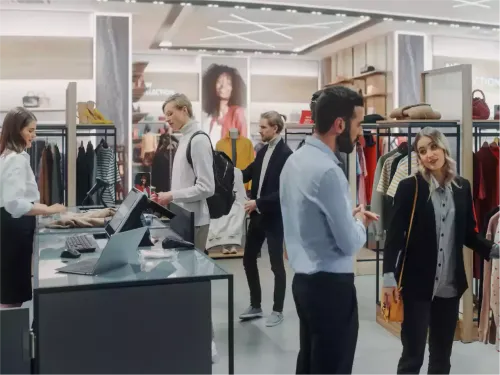
- Checkout flow at peak times: Long queues quietly kill conversion. They aligned staffing with the campaign schedule so peaks didn’t cause abandonment.
These changes amplified billboard ROI without spending more.
Step 6: Turn Billboard Response Into an Owned Audience (So Growth Compounds)
This is where the story goes from “good campaign” to “double revenue.”
They stopped relying only on paid exposure and built an owned follow-up loop.
Every billboard campaign drove to a simple incentive:
- “Get the weekend DIY checklist”
- “Get seasonal deals”
- “Get project guides + tool recommendations”
Shoppers opted in, and the store used a lightweight email warmup sequence (not aggressive promos) to build trust and repeat visits.
What the warmup did
- reminded people of project essentials
- shared quick “how-to” tips
- invited them back for a service (paint matching, tool rental, consult)
- introduced seasonal bundles
Instead of billboards being a one-time spend, they became a customer acquisition engine feeding repeat revenue.
The Result: Why Revenue Doubled (Without Doubling Ad Spend)
This wasn’t magic. It was compounding.
Revenue doubled because the store improved the entire chain:
- Better billboard radius → higher-intent visitors
- Entry-rate optimization → more walk-ins per exposure
- Message matched to missions → higher conversion
- Timing bursts → stronger peaks + predictable ROI
- In-store friction removal → fewer lost sales
- Email warmup → repeat visits + higher lifetime value
Most retailers try to “make billboards work” by changing the creative.
This store made billboards work by turning them into a measurable funnel.
Steal This: The 7-Day Billboard Optimization Checklist
If you want billboard campaigns that drive revenue, start here:
- Map where your best customers come from (distance + value)
- Plan billboards by radius, not “best roads”
- Track entry rate during billboard flights
- Write billboard copy around a single buying mission
- Time flights to customer project cycles (weekend, seasonal, pay days)
- Fix storefront visibility for what the billboard promised
- Capture opt-ins and warm them with value-first email
Final Thought
Billboards aren’t outdated. Unmeasurable billboards are outdated.
When you track who comes, who enters, and who buys, OOH becomes a controllable growth lever, not a branding gamble.
If you’re using billboards today (or planning to), the opportunity isn’t to spend more.
It’s to spend smarter and build a system that converts attention into revenue.
Recent Articles
Explore more insights and updates from Ariadne.